Journalism, Film & Media Arts

commserv-bubble

Experience Journalism, discover the power of the Media

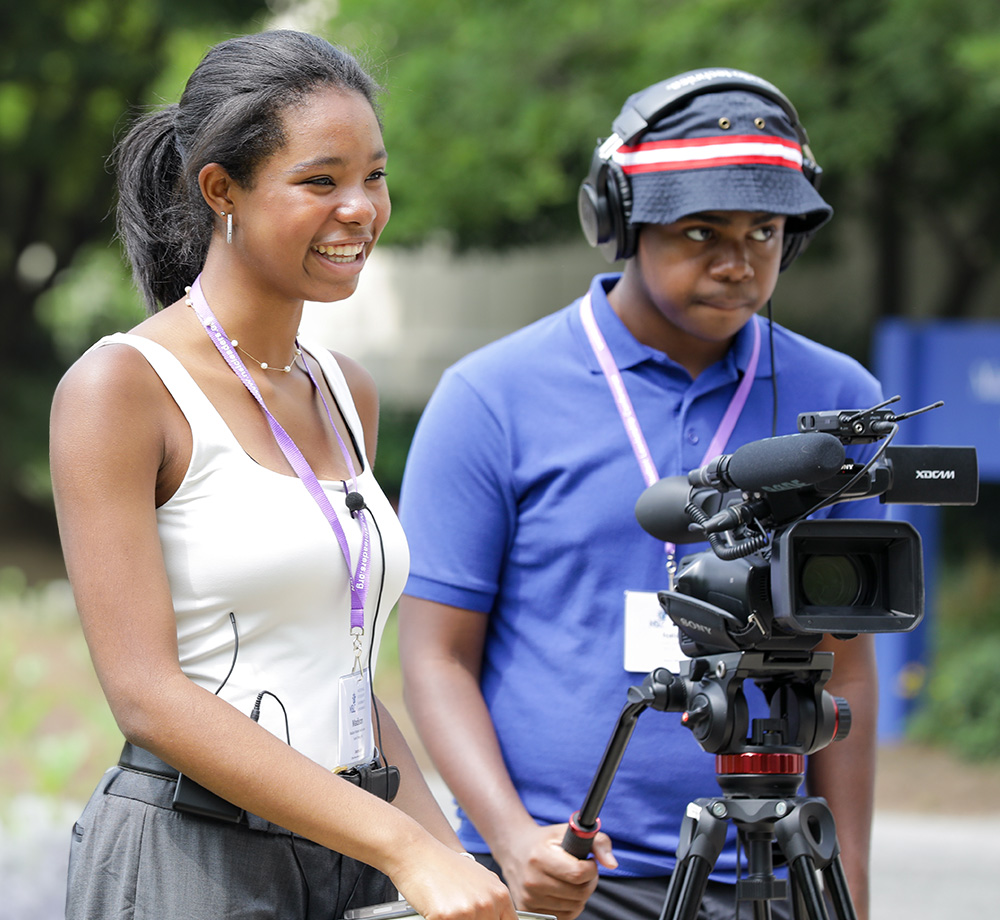
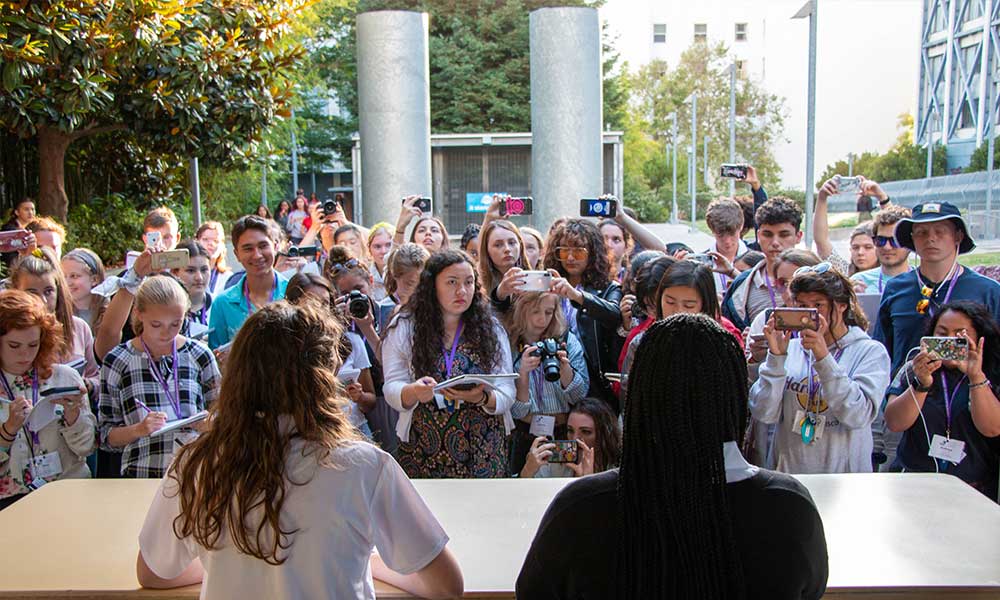
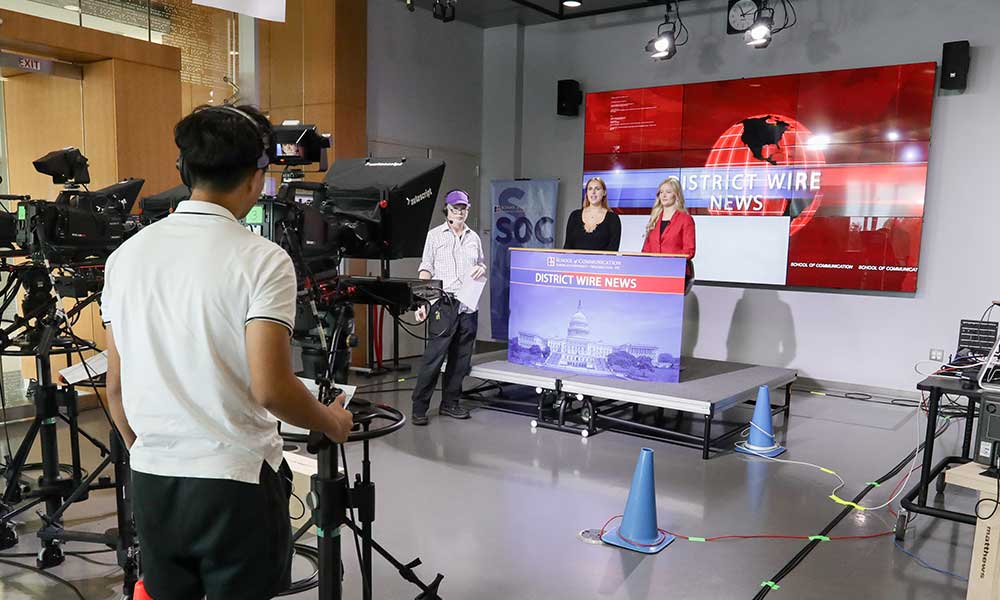
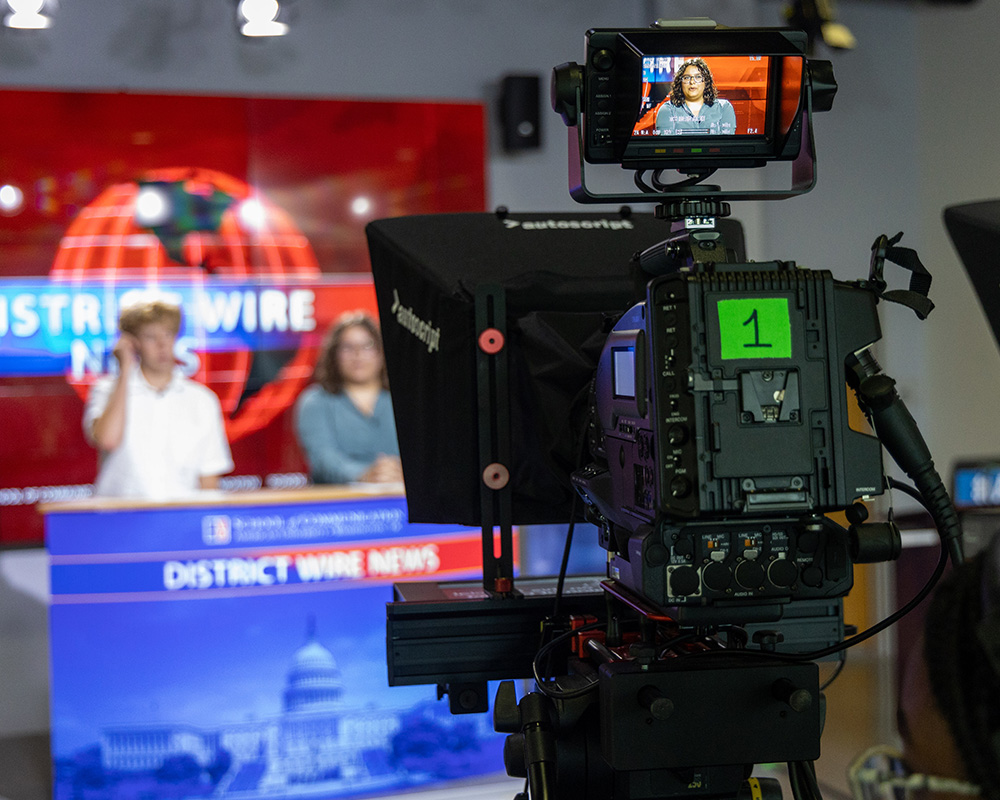
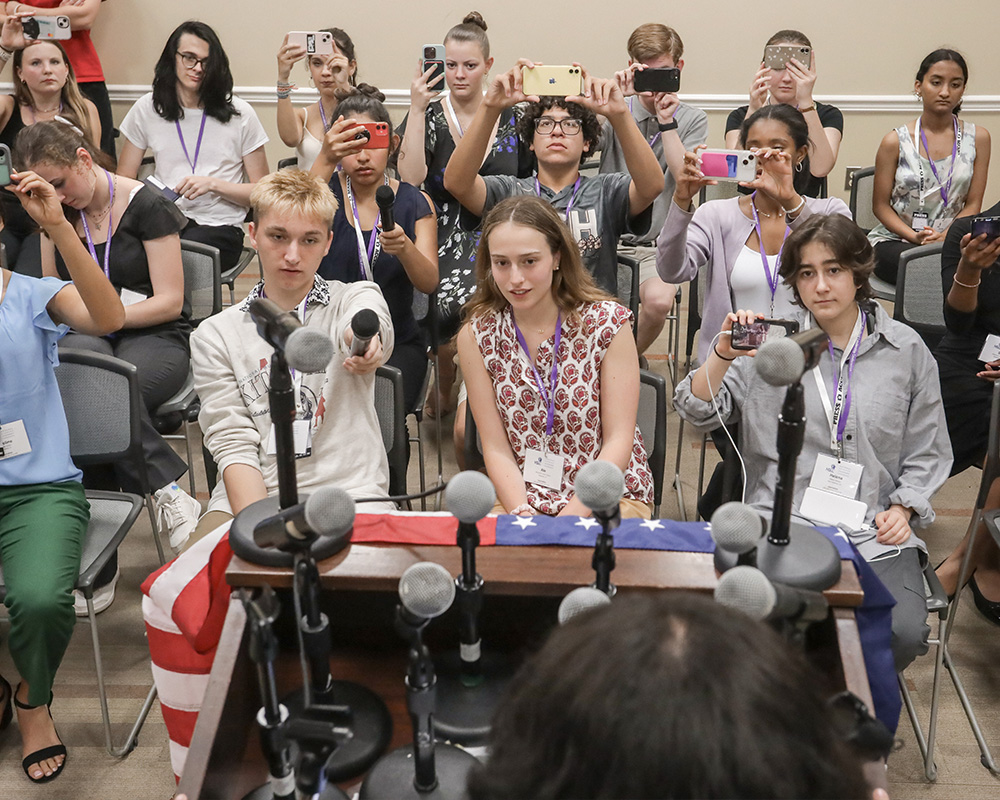
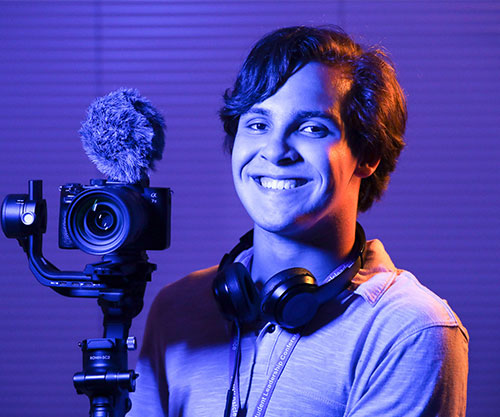
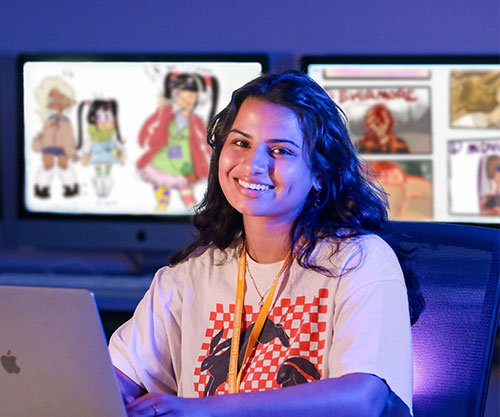
Step into the world of communication where spin is everything and news is 24-7. In the field, classrooms, studios and labs, you will try your hand at news writing, broadcasting, film making, animation, photography, or sports broadcasting. At the National Student Leadership Conference’s high school summer journalism program, you will write and create stories that challenge your viewers and expand the imagination.

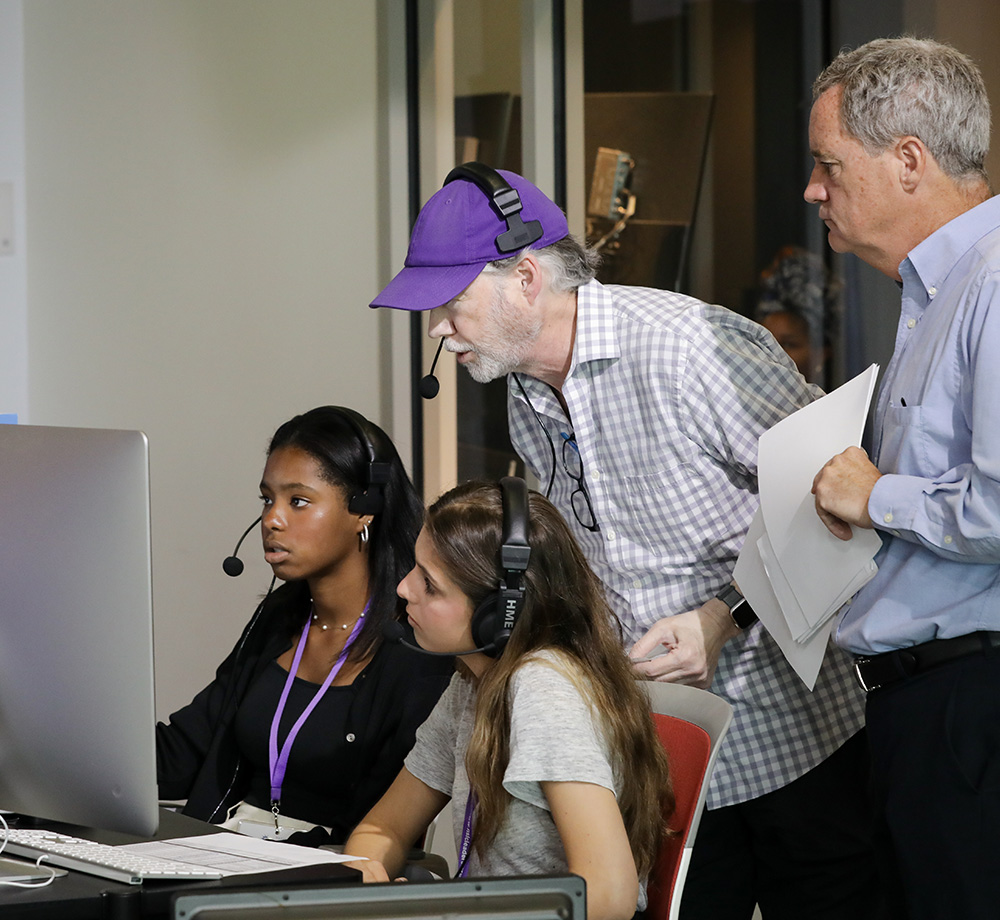
The NSLC high school Journalism & Mass Communication program uses an interactive approach to learning that gives you an opportunity to immerse yourself in the challenging complexities of the communication field. Together with American University’s School of Communication, you will learn from working journalists, media professionals, public relations experts, web designers and animators.

Journalism, Film & Media Arts
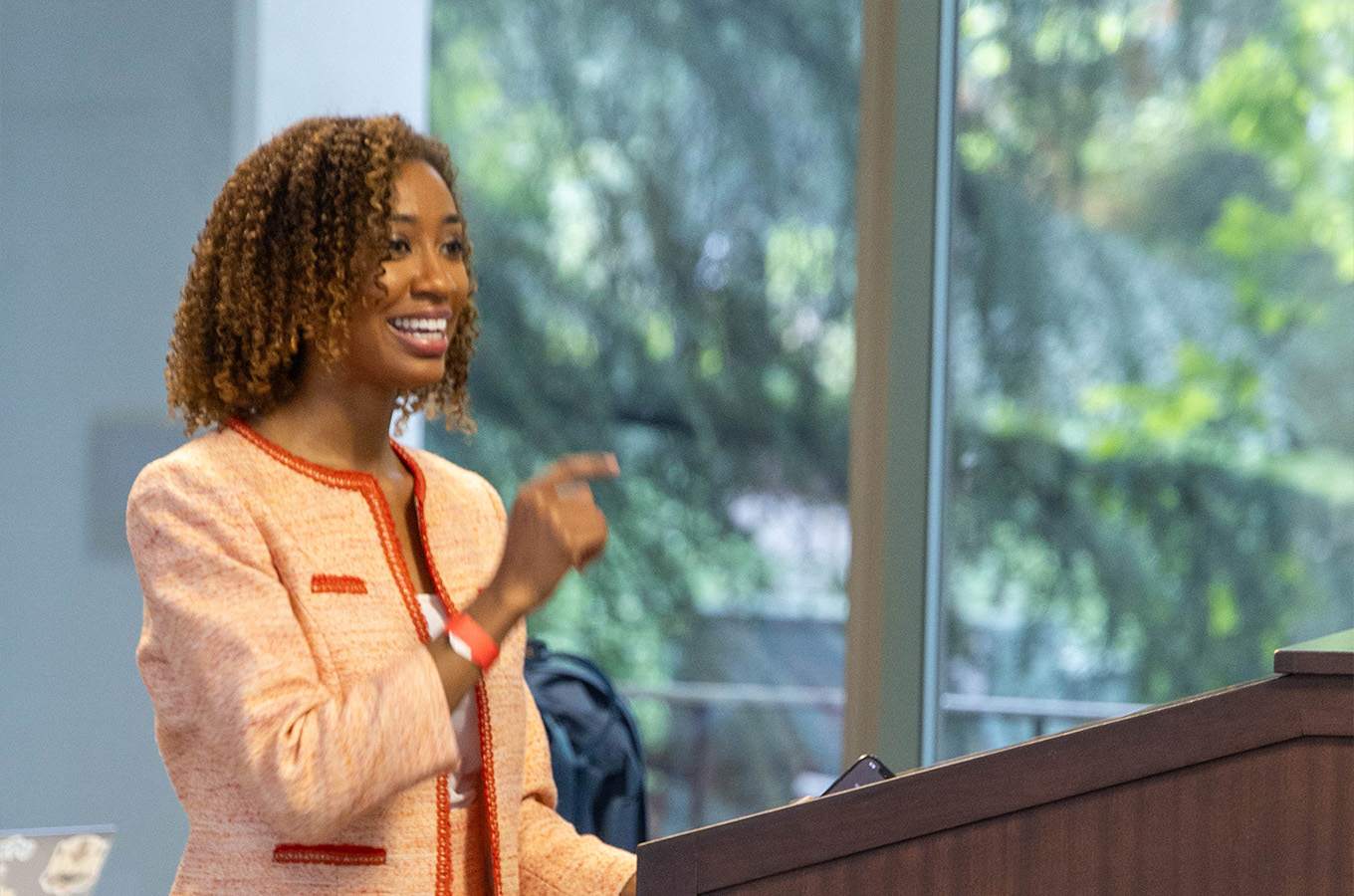
Hear from our alumni!

Explore this program:

Photo Gallery

Click a photo to enlarge:

Interactive Coursework

Tailor your experience to what interests you…

This unique program will provide an introduction to journalism and mass communication, while allowing you to personalize your experience with one of 16 different hands-on classes in one of the three fields below.

American University
June 16 – June 26
American University
June 30 – July 10
UC-Berkeley
August 1 – August 11

Journalism & Public Relations Workshop Descriptions

Backpack Journalism

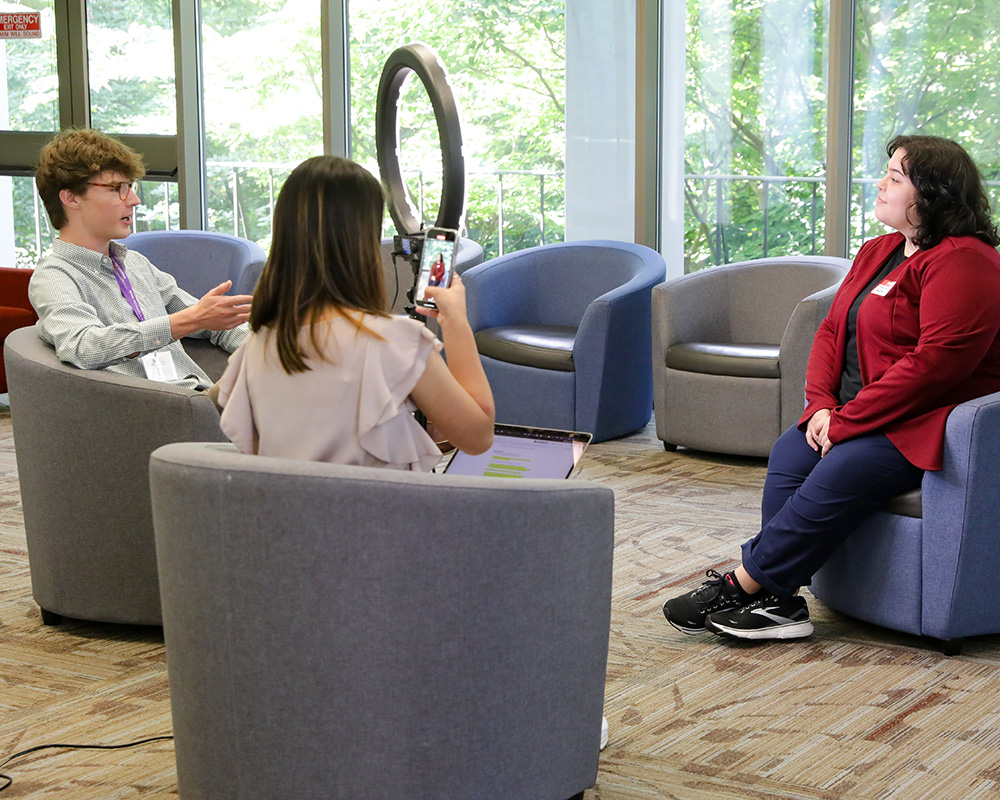
Backpack journalists do it all—and you can too. Learn to pitch an idea, shoot video, write a story, and record voice-over. Edit a final news piece and post it on the Web.

Broadcast Journalism

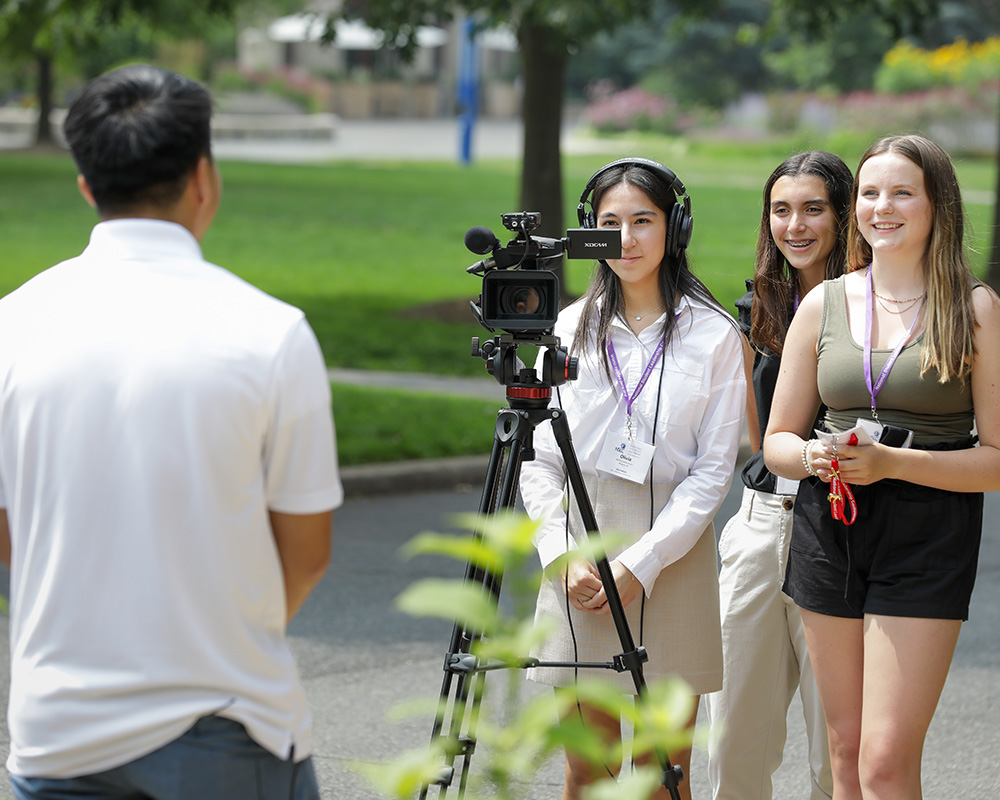
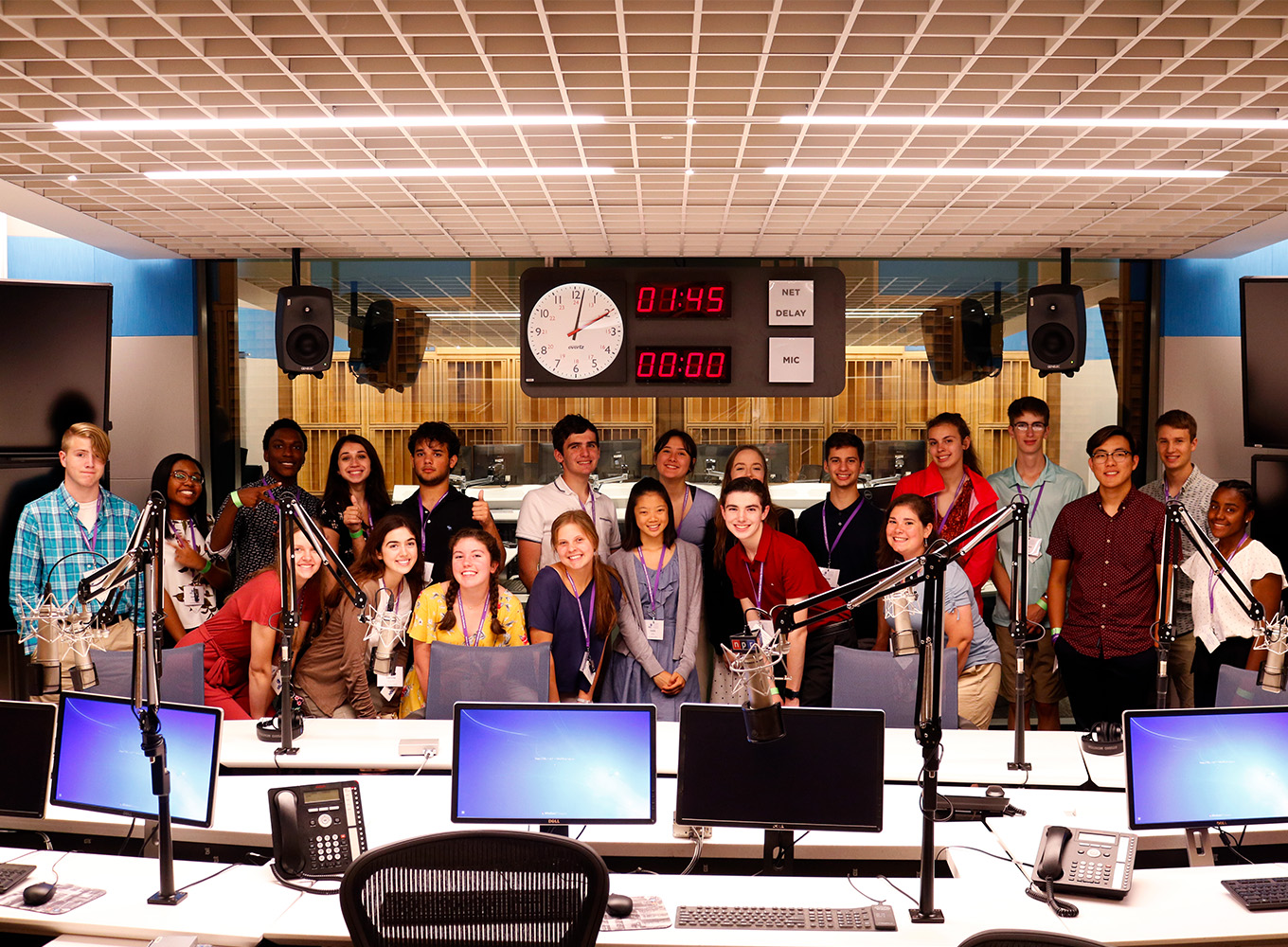
This course introduces you to the field of broadcast journalism and related legal, ethical, and technological issues. Develop interviewing, reporting, and writing skills. Produce a brief radio documentary or a television field report for your portfolio.

International Communication

What does the color red signify in traditional Chinese culture? Are posters the most efficient way to raise environmental awareness in North America? What is the best approach for introducing a new beverage in Russia or for teaching Africans how to prevent the spread of malaria? Through role playing, independent research, group discussions, and meetings with international communications professionals, develop a deeper appreciation for cultural differences. Produce a media campaign for a topic of your choice.

Professional Newswriting

See what it takes to write a news story for print, broadcast, and the Web. Get hands-on instruction in effective writing techniques for your school newspaper, neighborhood newsletter, or Web site. Learn how to distinguish between news and promotional writing. Hear professional journalists talk about their careers and visit a local newsroom.

Public Relations

Discover what goes into a blockbuster PR campaign—for example, how did the Taco Bell dog ring the bell at the N.Y. Stock Exchange? Learn how to strategize, develop, and implement your own campaign. Explore the art of messaging and talk to media reps about placing your story.

Social Media 101

Put your social media savvy to work and learn how to use YouTube, Twitter, Facebook, blogs, Flickr, and other media channels for professional purposes. Explore how to handle a crisis situation using social media, create practical social media guidelines, and learn about SEO, SMS, and mobile communications.

Sportswriting & Broadcasting

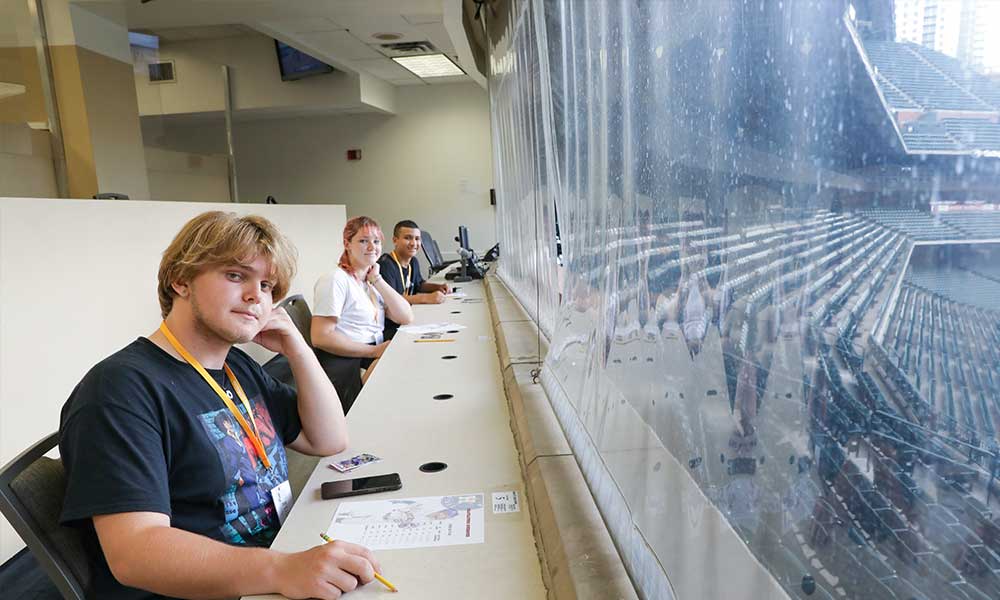
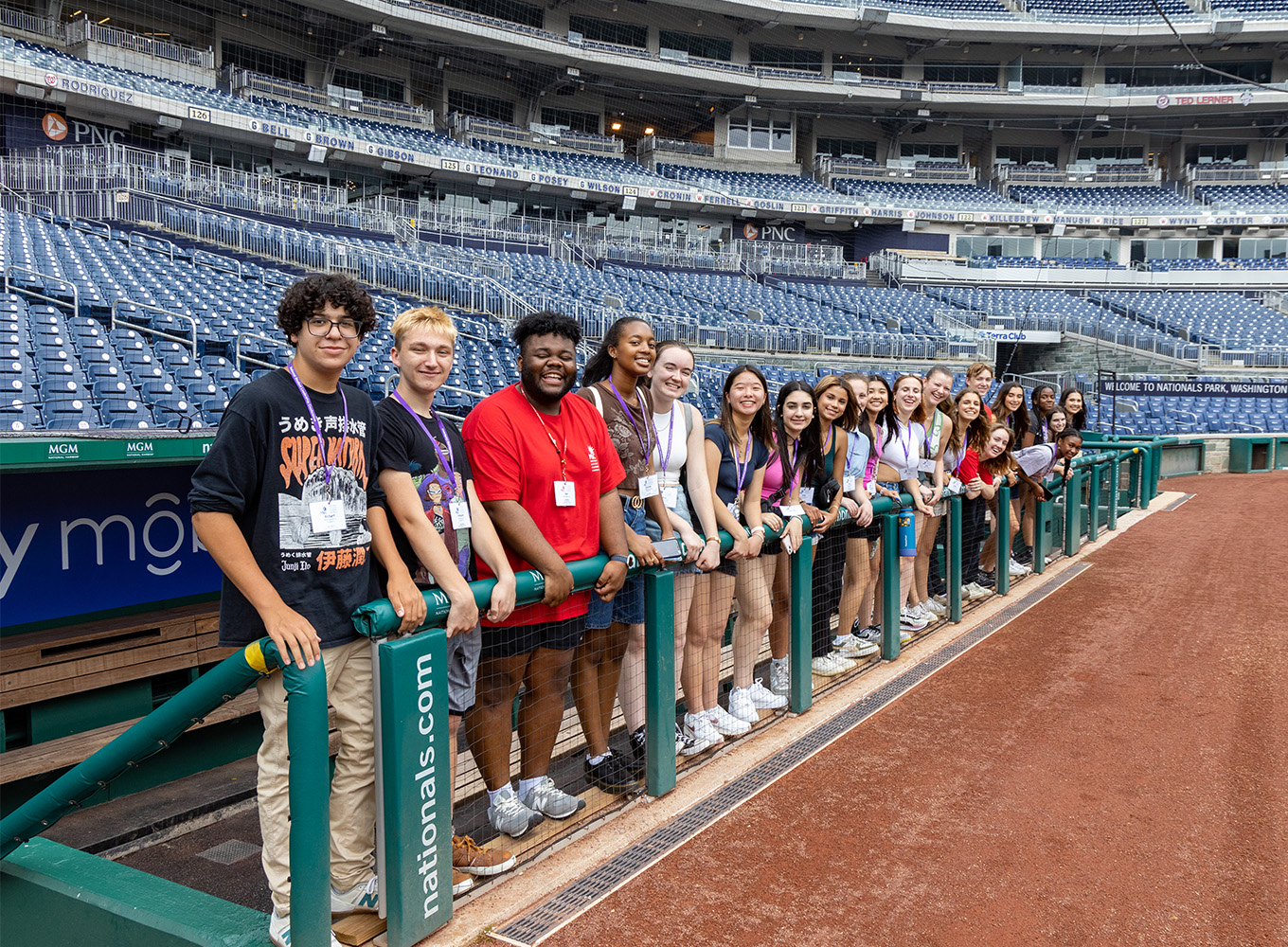
Bring your passion for and knowledge of sports and learn how to write and announce for live broadcast. Discover the secrets of exciting play-by-play announcing and commentary. Enhance your skills as an evocative sportswriter. Recent students visited USA Today, Comcast sports, and ESPN 980, and received onfield passes and press box seats for a Washington Nationals baseball game.

Video, Film & Digital Media Workshop Descriptions

Animation

In this hands-on class for the beginner-to- intermediate animation student, learn introductory concepts, claymation, advanced techniques in 2-D animation, and cleanup. Explore professional techniques through studio exercises, film analysis, historical references, and readings. Work will be premiered the last day of class.

Acting for the Camera

Develop the skills to interpret a script and build character, and learn acting techniques for the small screen. Explore physical and vocal aspects of character development for camera work. Acting students team up with student directors to create visual portfolios.

Directing for the Camera

Develop the skills to break down a script, build characters, and explore ways to communicate your message on camera. Learn the vocabulary of acting and directing—and how actors and directors communicate with one another. Students will create a visual portfolio.

Documentary 101: The Art, Power, and Business of Nonfiction Film and Video

Shoot and edit your own nonfiction short documentary using mini-DV cameras and Final Cut Pro software for screening on the last day of class. View and discuss classic documentaries and consider production techniques and technologies. Learn practical information about creating and distributing docs—and how to make a living doing it. Equipment is provided.

Music Entertainment Production

Music in film has the power to excite us, move us to tears, or scare the daylights out of us. Learn how this creative process works– and discover your inner composer. At the end of the course, your original score will be incorporated in another student’s short film or made available for future use.

Scriptwriting & Video Production

Write and produce your own video, including shooting, sound recording, producing, and nonlinear editing on Final Cut Pro. Through a collaborative effort with the Smithsonian Institution and the National Park Service, students script, videotape, and edit original works. No prior video experience is required; students are grouped by level of ability. Equipment is provided. NOTE: Students interested in documentary film making should enroll in Documentary 101.

Special Effects

Special effects improve production value and boost the “wow” factor. Learn digital tricks and methods for green-screen editing, compositing, visual elements, creating movement and animation, and simulations, including fire, snow, explosions and rain.

Video Game Design

Using accessible interactive tools, students learn how to create compelling virtual experiences. The course focuses on the craft of game design to encourage you to apply what you learn. No programming experience is required; however, students should have advanced computer skills and familiarity with entertainment consoles.

Photography Workshop Descriptions

Digital Photography

Explore and learn the powerful photographic techniques to make the most of your digital camera. Abundant opportunities to hone your digital photography skills by capturing images of plants, animals and the environment; to city sites, individuals and chance encounters. Assemble a portfolio and have the opportunity to publish your images.

Photoshop & Digital Photography

This course introduces you to the powerful potential of Adobe Photoshop CS3 and Image Ready. Learn essential tools for manipulating digital images and master basic concepts of interactivity, including Web design. Students gain a strong foundation in the photographic applications of Photoshop and more advanced manipulation functions, such as prepping graphics for the Web.

35mm Photography I

An introduction to 35mm black-and-white photography and basic darkroom techniques. This hands-on course covers both aesthetic and technical issues. You must have your own 35mm camera. Film and darkroom materials are provided.

35mm Photography II

If you have basic knowledge of 35mm photography or have completed 35mm Photography I, this course offers more advanced training in lighting, composition, and black-and-white darkroom techniques. Shoot color slide film and explore the aesthetics and technical features. You must have your own 35mm camera. Film and darkroom materials are provided.

Nature Photography

In conjunction with Nature’s Best Photography magazine and Nature’s Best Photography Students Online, explore and learn photographic techniques for covering animals, plants, and our environment. Attend discussions with editors and photographers of NBP and NBP Students Online, field trips to museums, and excursions to local nature preserves. Assemble a portfolio and have the opportunity to publish your images.

Meet the Experts

While at the NSLC’s high school journalism program, you will meet with and learn from leaders in the many areas of journalism. Aside from the extensive time spent with an American University professor, in past years, NSLC students have heard from guest speakers including:

  • Mr. Walter Mears, Political Correspondent/Pulitzer Prize Winner, Associated Press
  • Mr. Ron Edmonds, Photographer/Pulitzer Prize Winner, Associated Press
  • Mr. Jim Morin, Cartoonist/Pulitzer Prize Winner, Miami Herald
  • Ms. Stu Seidel, Senior Editor, National Public Radio, Weekend Edition Sunday
  • Mr. Tim Kurkjian, Reporter & Analyst, ESPN
  • Mr. Linton Weeks, Staff Writer, Washington Post
  • Mr. Andy Pollin, co-host, The Sports Reporters, WTEM Sports Radio

College-Level Curriculum

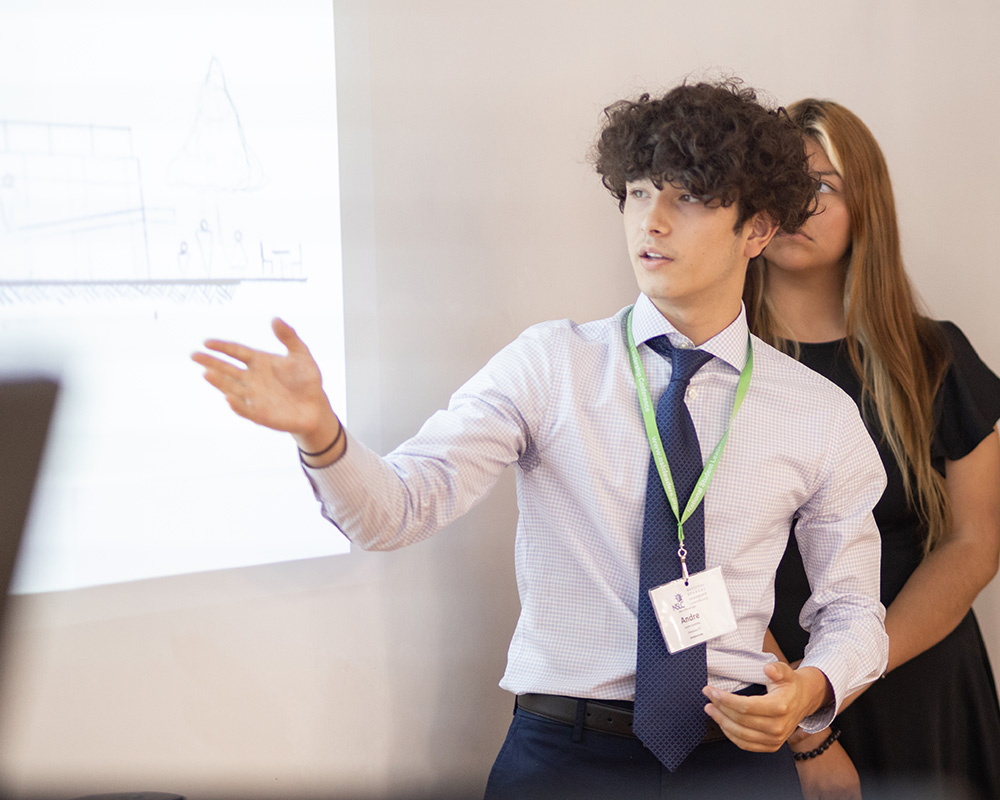
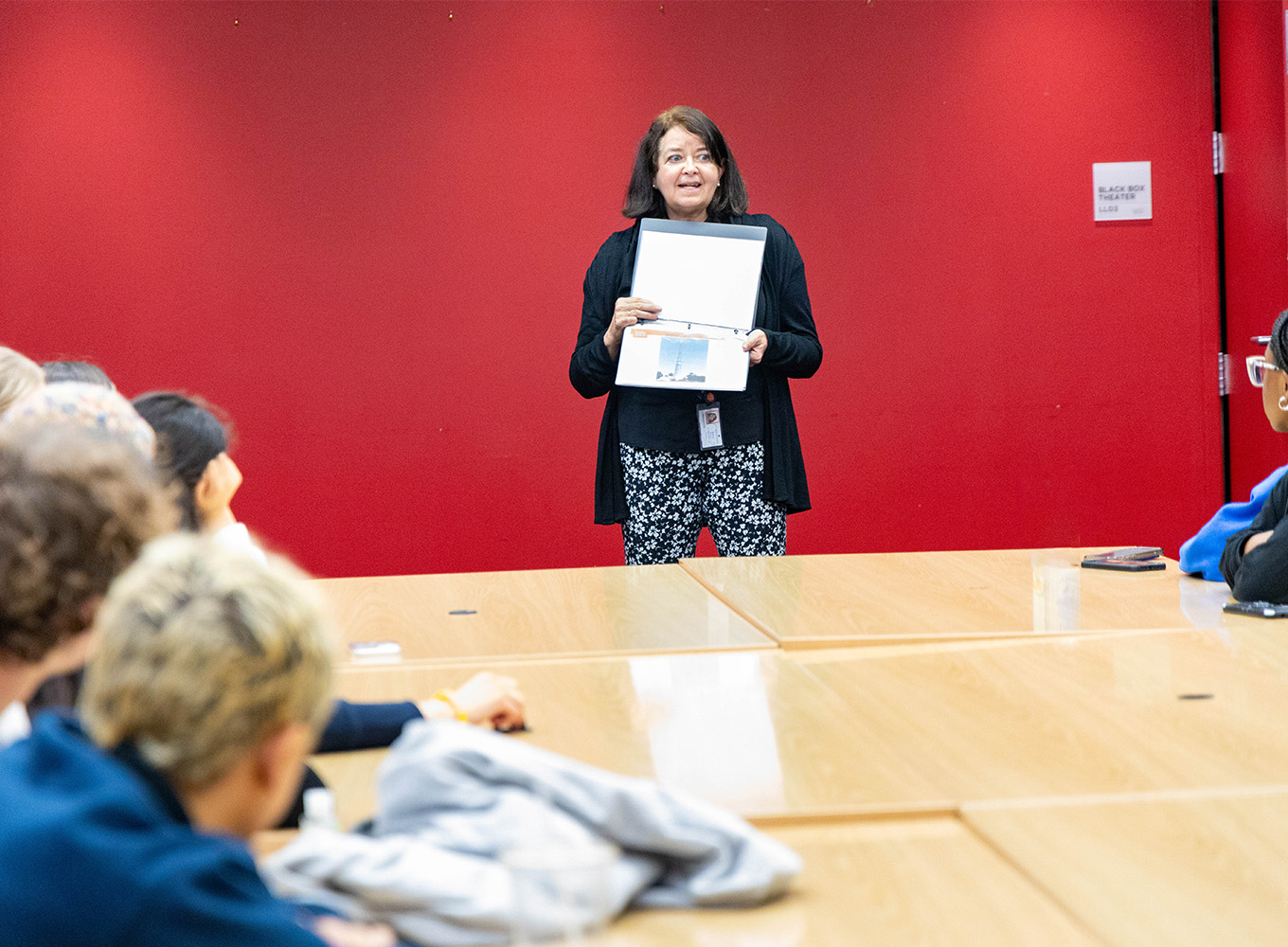
Partnered with American University’s School of Communication, the NSLC provides a unique opportunity to spend two weeks working in real classrooms, labs and in the field, studying a part of journalism that interests you. You will work closely with professors in AU’s School of Communication and experience college-level lectures on the various fields of mass communication. The lecture series will provide you with a foundation of knowledge that will be vital to your success not only during the conference but in your future career in the communications world.

Topics include:
  • The History of Media
  • The First Amendment, Electronic Media
  • Journalism and Blogging
  • Ethics in Journalism
  • The Power of Documentary Filmmaking
  • Graphic Design

Leadership Workshops

At the heart of the NSLC is a leadership curriculum designed to build concrete leadership skills that will help you succeed. From the beginning of your program you will learn to work as a team during an exciting Ropes Challenge Course. Interactive lectures and small-group workshops will give you an opportunity to build upon your strengths and minimize your weaknesses.

Leadership topics tailored to the Journalism & Mass Communication program include:
  • Personality Styles and Group Dynamics
  • Public Speaking
  • Conflict Resolution
  • Stress and Time Management

Trips & Tours

An important part of the NSLC high school summer journalism program is seeing the sites around some of our nation’s greatest cities. These trips are designed as both sightseeing tours and exclusive educational trips specifically tailored to the area of Journalism:

Washington, D.C.
  • Newseum
  • The Smithsonian Institution
  • Capitol Hill
  • Voice of America
  • The National Press Club
  • Baltimore Harbor
  • Historic D.C. Monuments at Night
San Francisco, CA
  • KQED, National Public Radio
  • Palo Alto Media Center
  • San Francisco Chronicle
  • Sterling Communications
  • The Working Group Non Profit Media
  • AT&T Park and the Oakland Coliseum
  • Pier 39
  • Fisherman’s Wharf
  • Walt Disney Family Museum

Sample Schedules

Washington, D.C. Sessions
San Francisco, CA Sessions

Washington, D.C. Sessions

Day 1
  • Registration
  • Campus Tours
  • Opening Ceremony
  • Reception
  • TA Group Orientation
Day 2
  • Media/Film Class
  • Ropes Challenge Course
  • Leadership Series: Group Dynamics & Personality Matrix
  • Ice Cream Social
Day 3
  • Media/Film Class
  • Newseum Visit
  • Guest Speaker: Journalist
  • Ethics in Journalism
  • Public Demand: Sociology & Diversity
Day 4
  • Media/Film Class
  • Capitol Hill and the Smithsonian Institution
    • Congressional Visits
    • Library of Congress
    • Air and Space Museum
    • National Gallery of Art
    • American History Museum
    • And Many More
  • Dinner at Historic Union Station
  • Leadership: Time Management
Day 5
  • Holocaust Memorial Museum Visit
  • Public Speaking Workshop
  • Individual Studio & Lab Time
  • Workshop: Art of Interviewing
  • Washington at Night Tour
    • Jefferson Memorial
    • FDR Memorial
    • Lincoln Memorial
    • Vietnam War and Korean War Memorials
    • Iwo Jima Memorial
Day 6
  • American Film Institute Visit
  • Guest Speaker: Public Relations Expert
  • Public Relations Simulation
  • Leadership Session: Conflict Resolution
  • Dinner in Historic Georgetown
Day 7
  • Media/Film Class
  • Washington Post Visit
  • Guest Speaker: Animation Expert
  • Leadership Session: Commitment in Action
  • Documentaries 101
  • Sports Event: Game TBA
Day 8
  • Media/Film Class
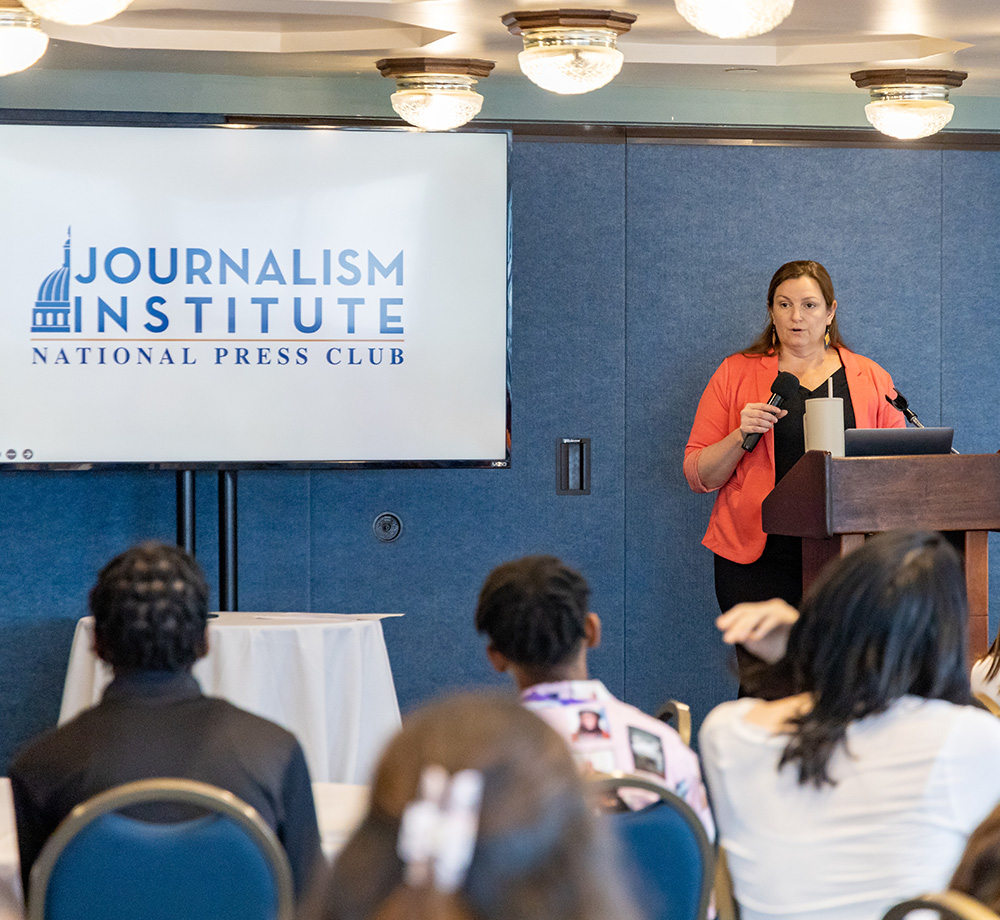
  • National Press Club Visit
  • Workshop: Ethics & Communication Law
  • Leadership Session: Decision Making
  • Social
Day 9
  • Media/Film Class
  • Individual Studio & Lab Time
  • Debate: Social Media & Public Change
  • Internet & Communication
  • Visit Baltimore Harbor
Day 10
  • Media/Film Class
  • Guest Speaker: CyberMedia
  • Debate: News v. Views (Blogging)
  • Individual Studio & Lab Time – Project Completion
  • Correspondents Ball
Day 11
  • Final Presentations
  • Closing Ceremony
  • Student Departure
Note: While not every session is scheduled the same, this is an example of a Journalism & Mass Communication session.

San Francisco, CA Sessions

Day 1
  • Registration
  • Campus Tours
  • Barbeque
  • AU Credit Option
  • Opening Ceremony
  • TA Group Orientation
Day 2
  • Lecture Series: Introduction to Journalism & Media Arts
  • DWC Class
  • Leadership Series: Vision Statements
  • Lecture Series: Communication Yesterday to Tomorrow
  • San Francisco Giants Baseball Game
Day 3
  • DWC Class
  • Ropes Course
  • Workshop: Ethics & Communication Law
  • Social
Day 4
  • Field Trip: MOMA & Pier 39
  • Workshop: Art of Interviewing
  • Leadership: The Personality Matrix
  • Social
Day 5
  • AU Credit Option
  • DWC Class
  • Leadership Series: Community Build
  • Lecture Series: Journalism in College & Beyond
  • Leadership Series: Commitment In Action
  • Newsroom Simulation
Day 6
  • DWC Class
  • Field Trip: Walt Disney Family Museum & Fisherman’s Wharf
  • Workshop: Art of Interviewing
  • Leadership Series: Dyadic Encounter
Day 7
  • AU Credit Option
  • DWC Class
  • Field Trip: KQED, National Public Radio
  • Guest Speaker: The Future of Social Media
  • Leadership Series: Communication Dialogue, and Discussion
  • Trivia Night
Day 8
  • Field Trip: Sterling Communications
  • Guest Speaker & Film Viewing: The San Francisco Film Society
  • Workshop: Media Convergence in the 21st Century
  • Social
Day 9
  • DWC Class
  • Field Trip: San Francisco Chronicle
  • Leadership Series: Psychology of Group Dynamics
  • Social
Day 10
  • Individual Studio & Lab Time
  • Final Presentations
  • Leadership Series: What I’ve Discovered
  • Final TA Meeting
  • Social
Day 11
  • Closing Ceremony
  • Departure
Note: While not every session is scheduled the same, this is an example of a Journalism & Mass Communication session.