At the NSLC on Psychology & Neuroscience, you’ll investigate how the brain and nervous system influence the way we think, feel, and behave. Explore the connections between brain structure, memory, emotion, and personality while examining how social and environmental factors shape human behavior. Through hands-on labs and clinical simulations, analyze brain scans, investigate psychological disorders, and discover how researchers and mental health professionals study the relationship between the brain and behavior.
High School Summer Psychology Program
Discover a career in psychology.
Program Highlights
Inside Psychology & Neuroscience at NSLC
Explore psychology and neuroscience firsthand this summer. NSLC pre-college programs combine academic learning with real-world opportunities, giving you the experience and perspective to make more confident decisions about college and your future career.

Explore through hands-on learning.
Develop the skills and knowledge you need for a future career in psychology with experiential simulations.
Explore SimulationsLearn from the experts.
Get real-world perspectives and insider knowledge straight from the professionals.
Explore Guest Speakers
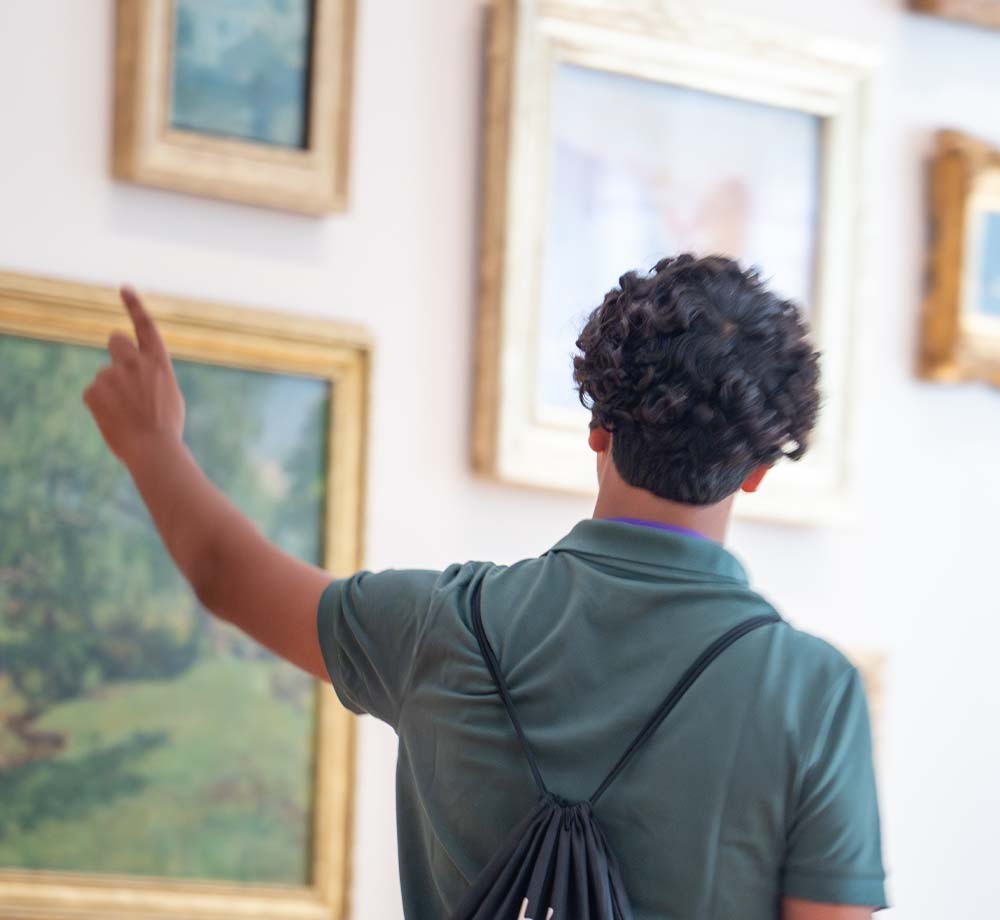
Go behind the scenes.
Discover the inner workings of the field through immersive trips and tours.
Explore Trips & ToursI made so many friends and I learned so much about psychology and neuroscience. The big takeaway though was throwing myself out there and doing something new.
Andy, Connecticut
Hands-on Simulations
Explore psychology
through hands-on workshops that connect the science of the brain with the study of human behavior. Examine brain anatomy, interpret medical imaging, and investigate how cognitive and emotional processes influence the way people think and act. Through clinical scenarios and research challenges, explore how psychologists and neuroscientists develop questions, evaluate evidence, and apply their findings to better understand the human mind.

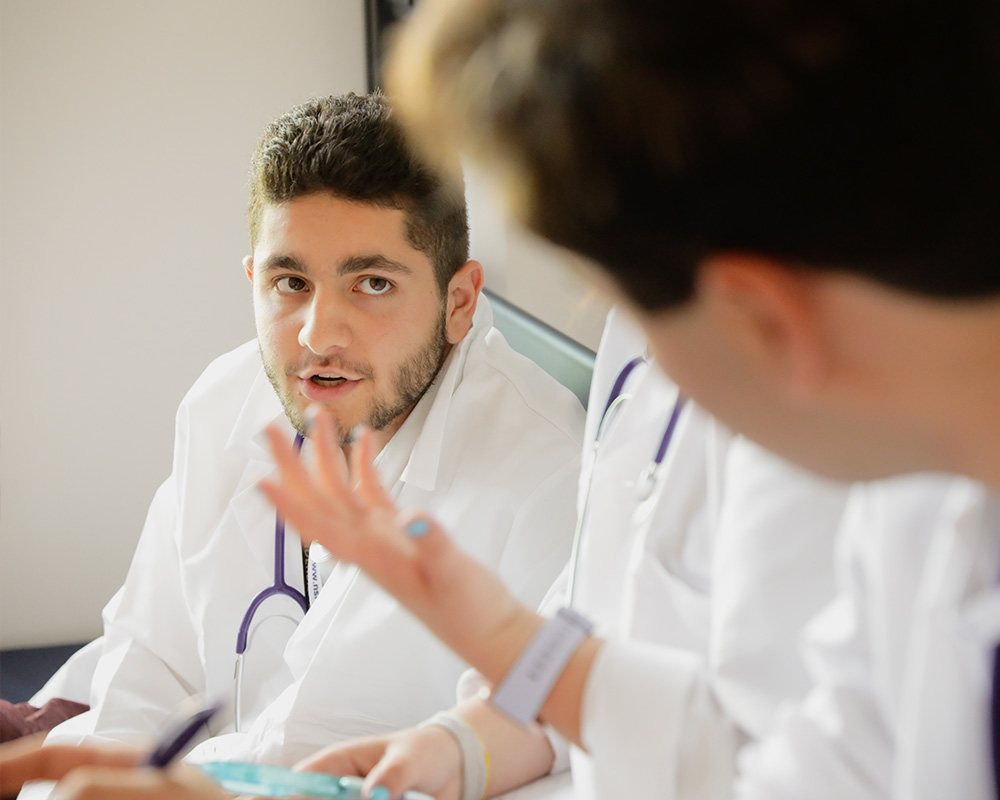
Clinical Diagnostics
Practice patient care by interviewing, testing, diagnosing, and treating patients with your clinical teams throughout a multi-day simulation.

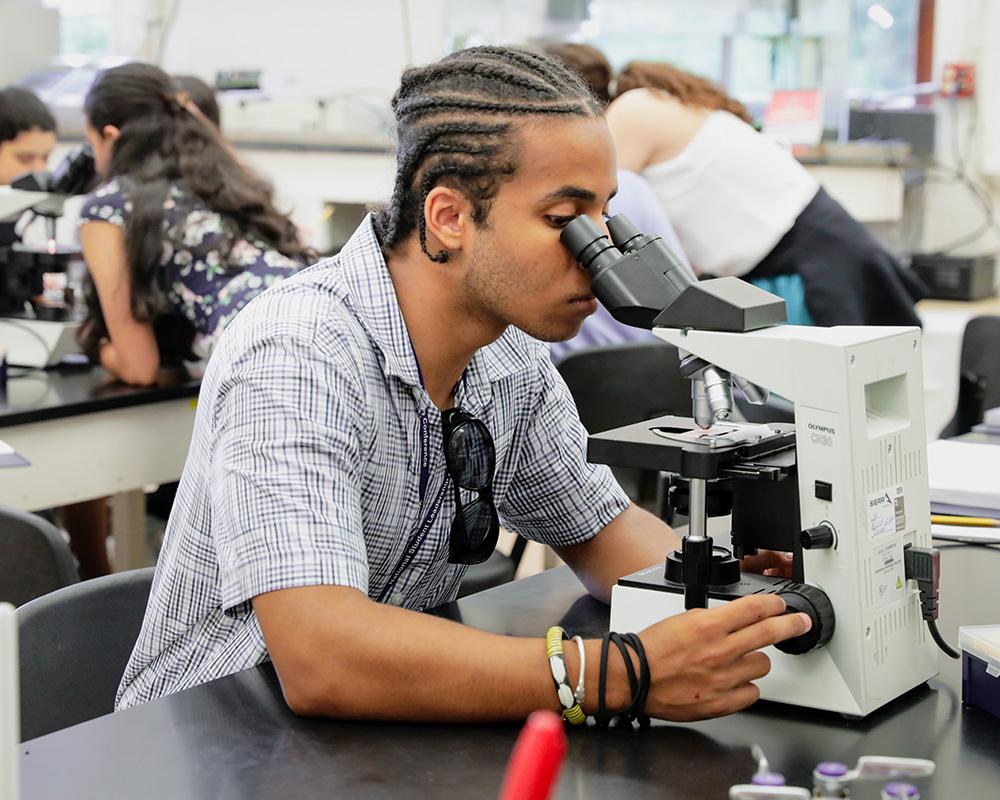
Anatomy Workshops
Learn about internal bodily structures through dissections of eyes, brains, hearts, and spinal cords, better understanding the functions of each organ.
Psychology Workshops
Lessons in cognitive, developmental, and abnormal psychology will introduce you to the major themes and theories of each concentration.

Criminology
Explore the relationship between psychology and criminal behavior as you examine evidence, interview witnesses, and take on different roles in a mock trial to explore how neuroscience influences criminal responsibility.
Scans & Imaging
Explore the non-invasive imaging techniques that allow physicians to measure activity in the brain, examine soft tissue structure, and evaluate overall cognitive function.
Research Symposium
Take on the role of a psychology researcher as you develop a research question, examine scientific evidence, and build a compelling case for your findings before presenting your work to a panel of judges at the final symposium.
Guest Speakers
Gain expert insights.
Interact with guest speakers from a variety of backgrounds that bring practical knowledge and real-world experiences to the Psychology & Neuroscience program.
See Past Guest Speakers
Gladstone Institutes
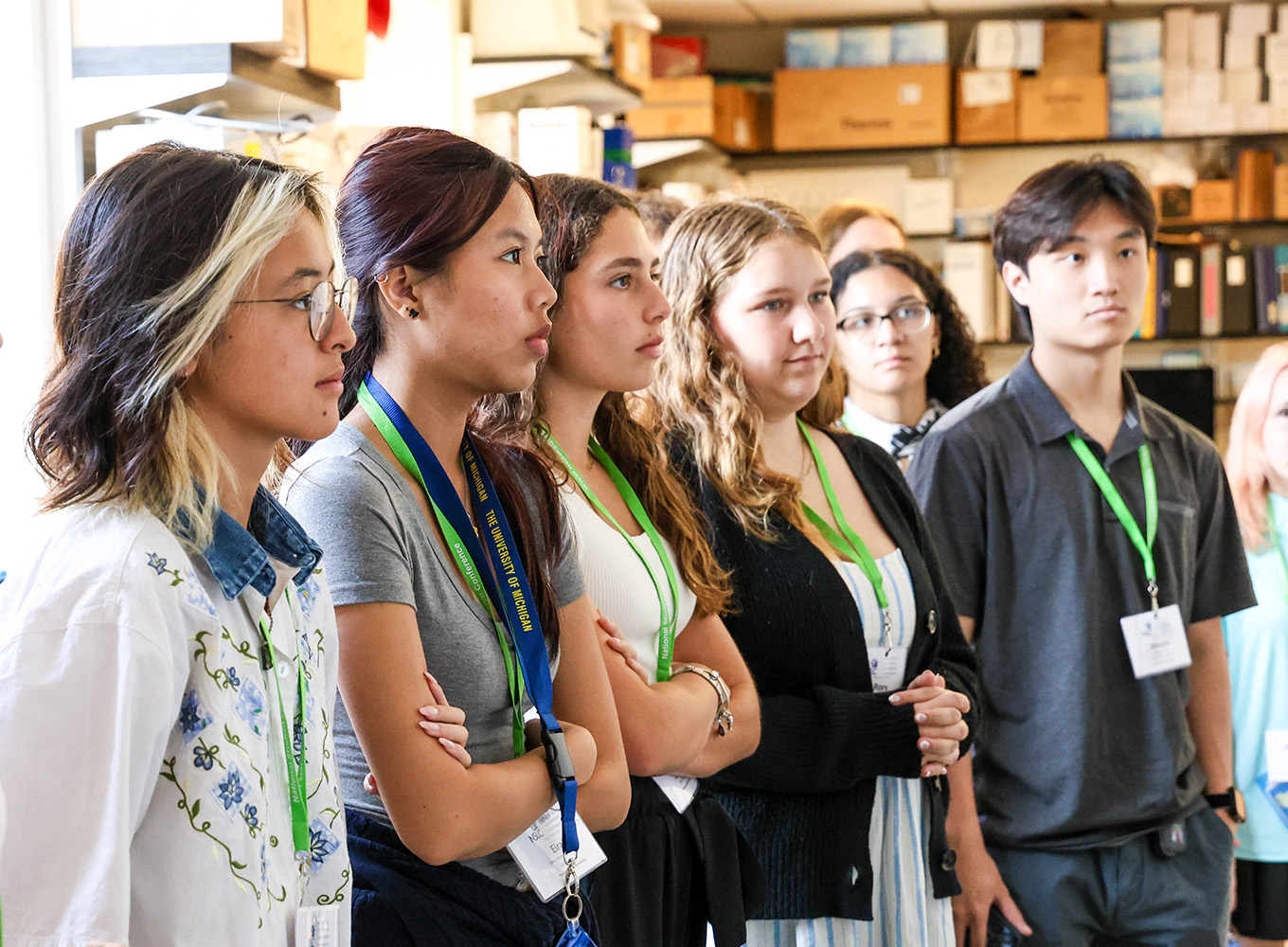
University of MIchigan Deparment of Psychology

Duke Lemur Center Behavioral Sciences Tour

UC Berkeley Clinical Psychology Department
Trips & Tours
Go beyond the classroom.
Gain a new perspective on psychology through field trips that uncover how the industry works behind the scenes. A mix of educational and sightseeing tours allow you to explore the city surrounding the university.
See Trips by Location
Leadership
is in our name.
Each NSLC program contains a leadership curriculum designed to teach skills that can apply to all areas of life. Workshops on personality styles, communication and listening, resilience, and empathy set the foundation for a successful future, no matter where it may lead.
Watch VideoLife on a College Campus
Dates, Locations, & Tuition
NSLC provides an immersive pre-college experience that prepares students for life beyond high school, allowing them to study in university classrooms, learn to navigate a campus, and experience college life firsthand. When submitting an application, students will select a residential or commuter option: residential students stay on campus in supervised dormitories, while commuter students follow daily arrival and departure times designated by their chosen location.
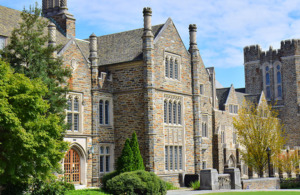
Duke University**
Durham, NC
$4,495 Residential
$4,000 Commuter
Summer 2027
Jun 24 - Jul 2
Jul 6 - Jul 14
Jul 18 - Jul 26
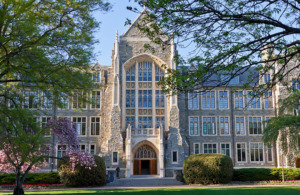
Georgetown University
Washington, DC
$4,595 Residential
$3,945 Commuter
Summer 2027
Jun 24 - Jul 2
Jul 6 - Jul 14
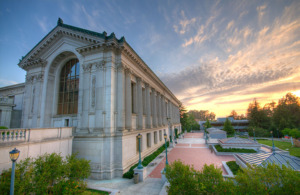
University of California, Berkeley
San Francisco, CA
$4,595 Residential
$3,845 Commuter
Summer 2027
Jun 13 - Jun 21
Jun 25 - Jul 3
Jul 7 - Jul 15
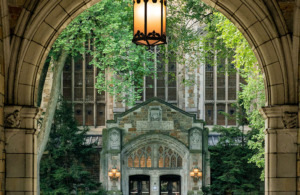
University of Michigan
Ann Arbor, MI
$4,395 Residential
$3,900 Commuter
Summer 2027
Jun 25 - Jul 3
Jul 8 - Jul 16

University of Oxford†
Oxford, England
$6,895 Residential
Summer 2027
Jun 27 - Jul 8
Jul 12 - Jul 23
Sessions at Oxford are 12 days.
** The NSLC is not affiliated with Duke University, nor is the NSLC a Duke University program or activity.
† NSLC and OSP are not part of the University of Oxford and are not authorized, approved, endorsed or otherwise associated with the University of Oxford. NSLC and OSP hire University of Oxford facilities during the summer and contract with colleges of the University of Oxford to provide accommodation and use of facilities only.
Tuition Resources

Earn College Credit
NSLC has partnered with American University to offer an online college credit opportunity for students across all our programs and locations. AU’s faculty-taught courses are completed at home outside the dates of your program and tailored to complement your area of study.
Learn MoreRelated Programs
Students interested in Psychology & Neuroscience also expressed interest in these programs.


Psychology & Neuroscience FAQs
Frequently Asked Questions
Wondering if NSLC’s Psychology & Neuroscience program is right for you? Explore below, read our general FAQs, or reach out to our team. We’re happy to help!
Psychology studies how people think, feel, and behave, including the influence of emotions, experiences, and social environments. Neuroscience focuses on the brain and nervous system, examining the biological processes behind thoughts, emotions, and behavior. The fields overlap in areas such as memory, learning, and mental health. At NSLC, you’ll explore both perspectives through psychology workshops, brain anatomy activities, and examinations of how brain function relates to behavior.
Neuroscience majors study the brain, spinal cord, and nervous system to understand how they influence behavior, movement, memory, and other functions. Coursework often combines biology, chemistry, psychology, and mathematics with specialized subjects such as neuroanatomy and cognitive neuroscience. Students may also learn research methods and techniques used to investigate brain activity. NSLC’s Psychology & Neuroscience program introduces some of these concepts through anatomy workshops and brain imaging activities.
A psychology degree can provide a foundation for careers in mental health, social services, education, human resources, research, and organizational development. Some graduates work in roles that involve understanding behavior, supporting communities, or conducting research, while others pursue graduate education to become psychologists or licensed mental health professionals. Your career options depend partly on your education level and specialization. Studying psychology can also develop skills in research, communication, and understanding human behavior that apply across many industries.
Psychologists study behavior and mental processes, and some specialize in assessing and treating mental health conditions. Others conduct research, work in schools, or apply psychological principles in workplaces and organizations. In the United States, becoming a licensed psychologist generally requires a doctoral degree, supervised professional experience, and meeting state licensing requirements, although requirements vary by role and jurisdiction. At NSLC, you’ll explore aspects of clinical psychology through patient interviews, diagnostic exercises, and discussions of treatment approaches.
Psychologists and neuroscientists use experiments, behavioral assessments, brain imaging, and other research methods to investigate how the brain influences thoughts, emotions, and actions. For example, researchers may examine which brain regions are involved in memory or how changes in neural activity relate to attention and decision-making. These approaches help scientists understand both typical brain function and conditions that affect mental health. At NSLC, you’ll explore brain scans and anatomy while examining connections between biological processes and human behavior.
Psychology includes specialties such as clinical, cognitive, developmental, social, educational, and industrial-organizational psychology. Clinical psychology focuses on mental health assessment and treatment, while cognitive psychology examines processes such as memory, attention, and problem-solving. Developmental psychologists study changes across the lifespan, and social psychologists investigate how people influence one another. At NSLC, you’ll explore several areas, including cognitive, developmental, and abnormal psychology, to discover which questions about human behavior interest you most.
Your future starts here.
Join our mailing list to get a brochure and stay in touch.