At the NSLC on Nursing, you’ll explore how compassion, communication, and clinical skill come together in all aspects of patient care. Learn how nurses assess symptoms, monitor vital signs, and support both patients and medical teams in fast-paced clinical environments. Through interactive labs and simulations, you’ll practice essential skills used in hospitals every day and gain a deeper understanding of the nurse’s role as both caregiver and advocate.
Program Highlights
Inside Nursing at NSLC
Explore nursing and patient care firsthand this summer. NSLC pre-college programs combine academic learning with real-world opportunities, giving you the experience and perspective to make more confident decisions about college and your future career.

Explore through hands-on learning.
Develop the skills and knowledge you need for a future career in nursing with experiential simulations.
Explore SimulationsLearn from the experts.
Get real-world perspectives and insider knowledge straight from the professionals.
Explore Guest Speakers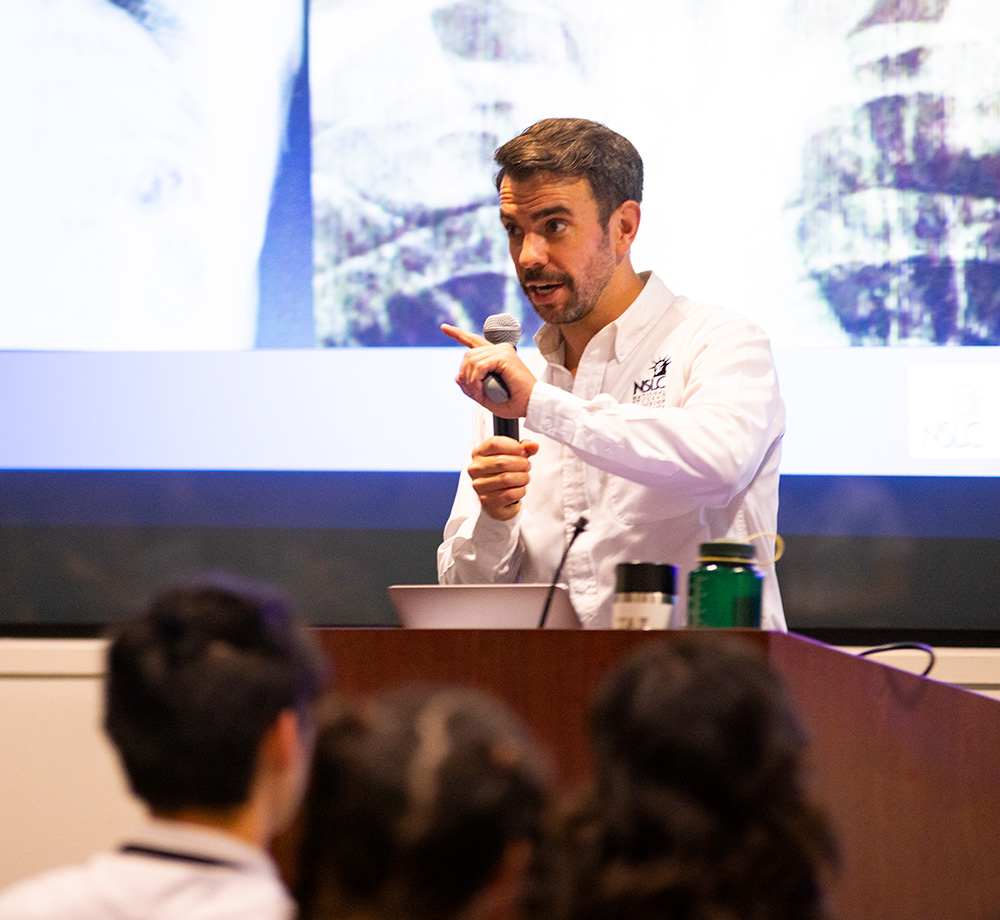

Go behind the scenes.
Discover the inner workings of the field through immersive trips and tours.
Explore Trips & ToursI enjoyed the experience so much and met so many new people. I was unsure if I wanted to pursue nursing before this program, but now I'm certain it is something I am extremely passionate about.
Mackenzie, New Jersey
Hands-on Simulations
Explore nursing
through hands-on workshops that introduce the clinical skills and responsibilities involved in patient care. Practice assessing patients, responding to medical emergencies, and communicating with patients and health care teams through realistic clinical scenarios. Discover how nurses combine medical knowledge, careful observation, and compassion to support patients through every stage of care.

Patient Care Simulation
Throughout multiple patient visits, you’ll practice bedside manner, medication administration, and effective communication between doctors and fellow nurses on your team.
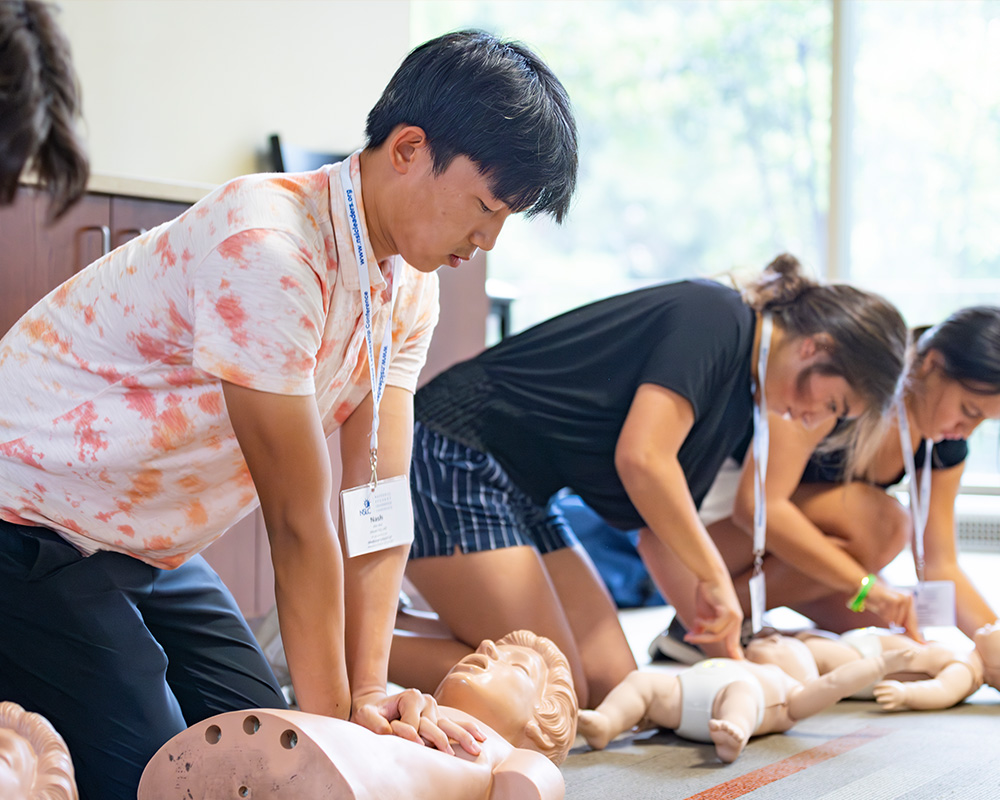
CPR Certification
Practice life-saving emergency skills, learning basic life support methods for adults, children, and infants, departing the program with your CPR certification.
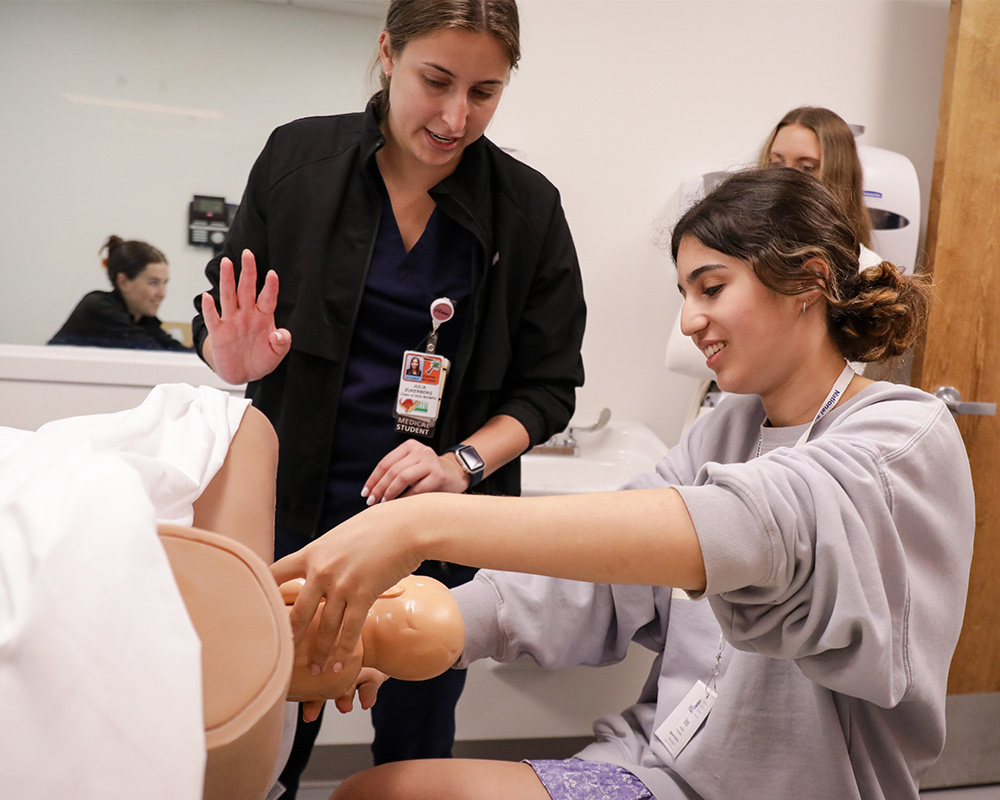
Pediatric Care
Learn the differences in care required for infants, children, and young adults, focusing on food and household safety, choking hazards, poison control, and developmental milestones.
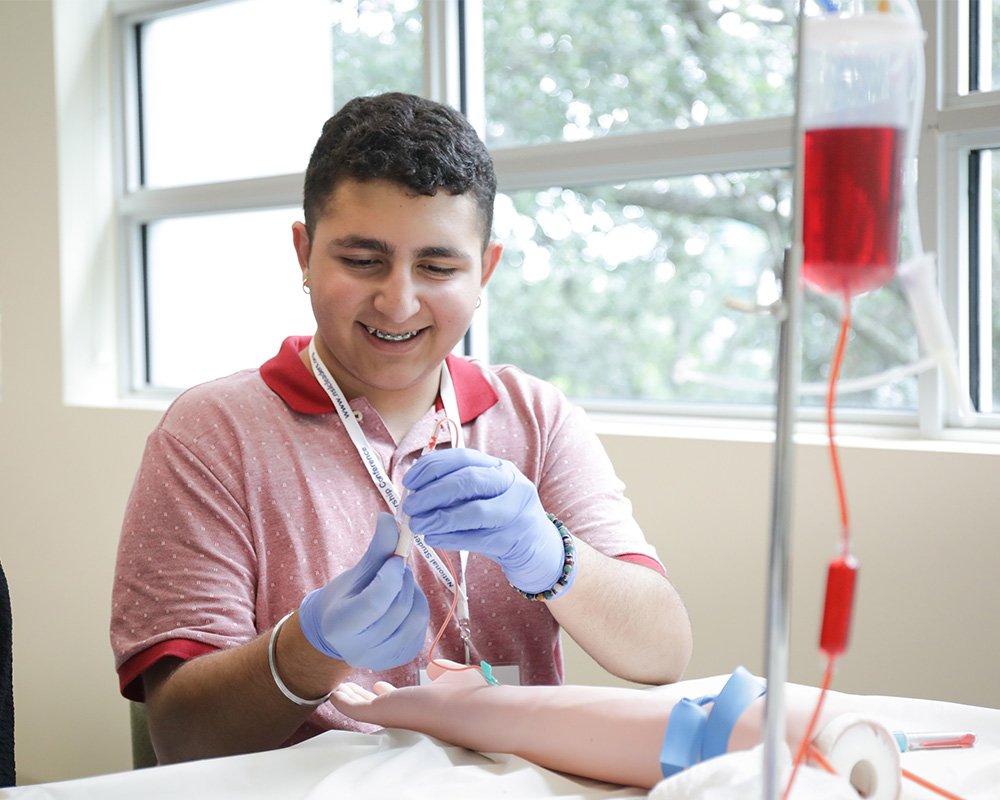
Hematology & Venipuncture
Learn techniques to skillfully draw blood samples and explore the study of blood disorders and abnormalities.
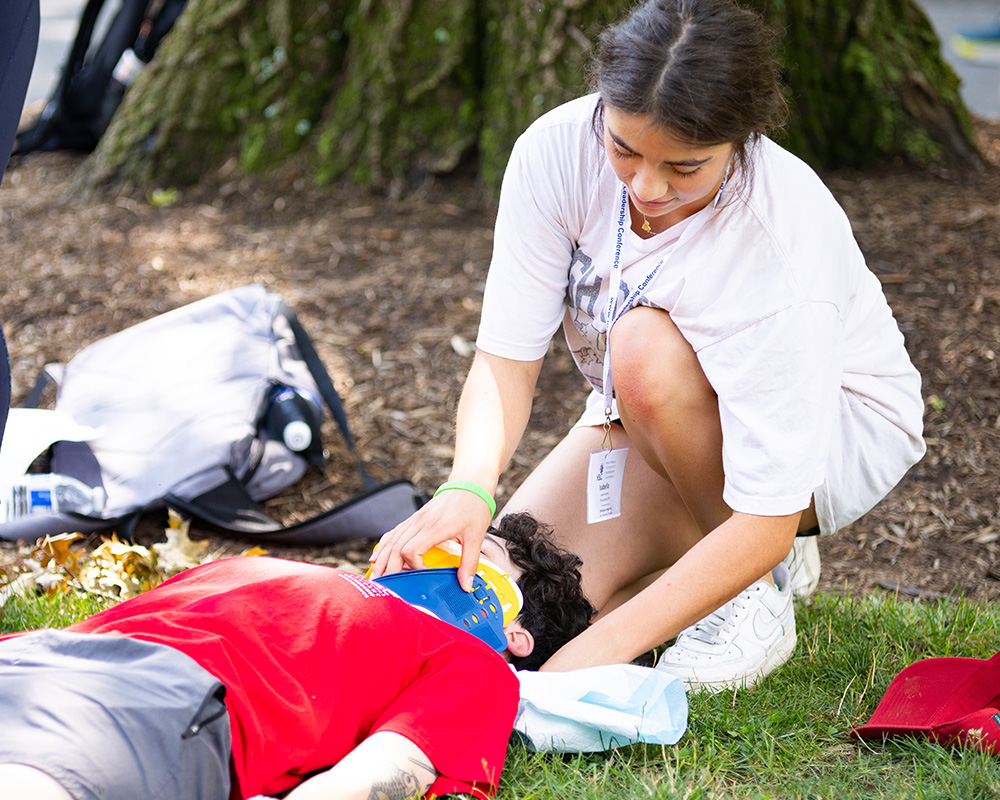
Emergency Medicine
Handle critical medical situations by learning the steps of a trauma assessment and responding in real time to simulated scenarios.
Guest Speakers
Gain expert insights.
Interact with guest speakers from a variety of backgrounds that bring practical knowledge and real-world experiences to the Nursing program.
See Past Guest Speakers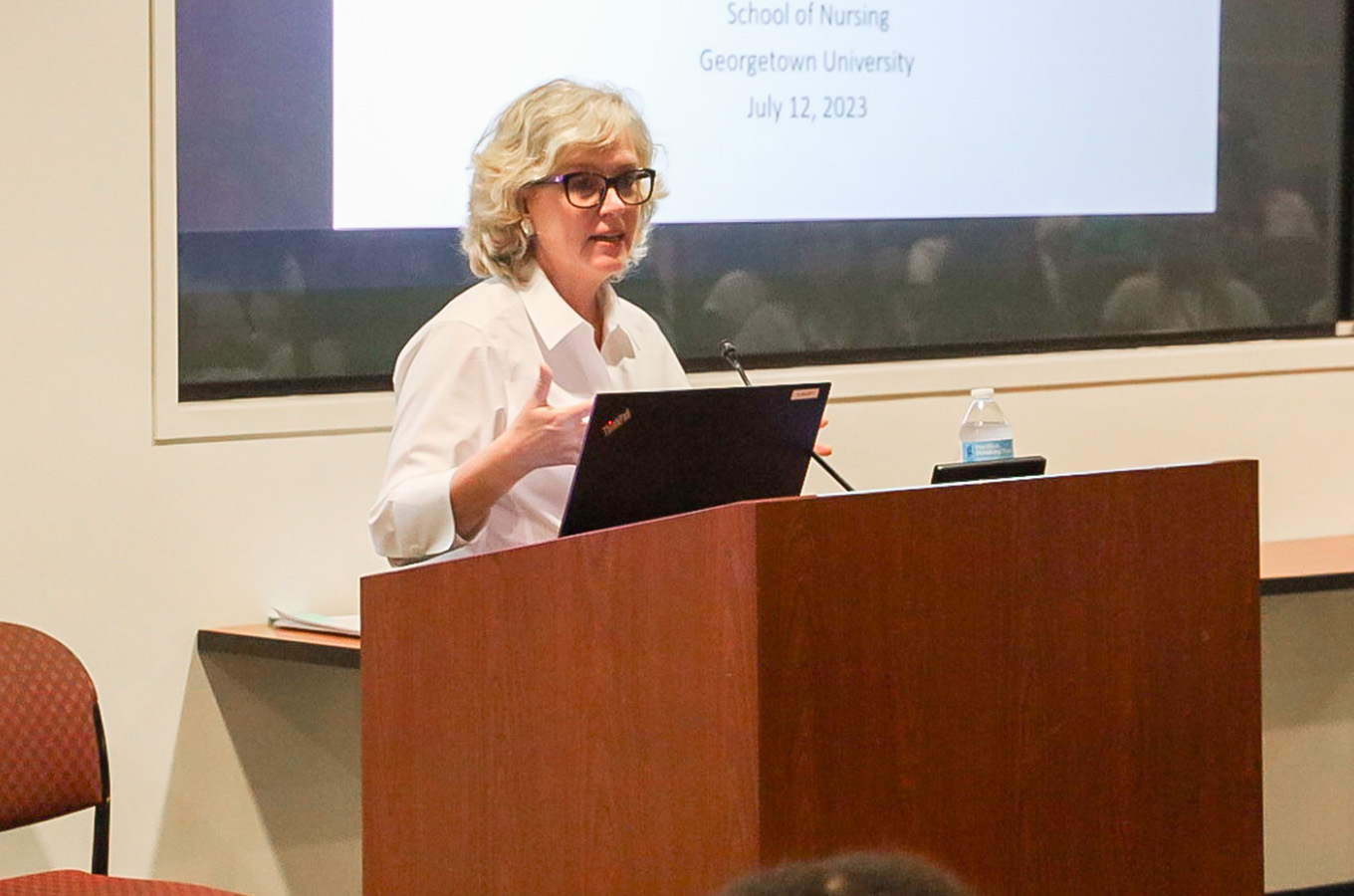

Duke Human Simulation & Patient Safety Center

North Carolina Museum of Natural Sciences
Trips & Tours
Go beyond the classroom.
Gain a new perspective on nursing through field trips that uncover how the industry works behind the scenes. A mix of educational and sightseeing tours allow you to explore the city surrounding the university.
See Trips by Location
Leadership
is in our name.
Each NSLC program contains a leadership curriculum designed to teach skills that can apply to all areas of life. Workshops on personality styles, communication and listening, resilience, and empathy set the foundation for a successful future, no matter where it may lead.
Watch VideoLife on a College Campus
Dates, Locations, & Tuition
NSLC provides an immersive pre-college experience that prepares students for life beyond high school, allowing them to study in university classrooms, learn to navigate a campus, and experience college life firsthand. When submitting an application, students will select a residential or commuter option: residential students stay on campus in supervised dormitories, while commuter students follow daily arrival and departure times designated by their chosen location.
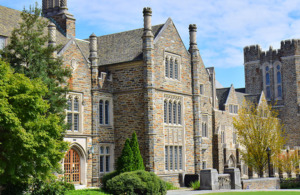
Duke University**
Durham, NC
$4,395 Residential
$3,900 Commuter
Summer 2027
Jun 24 - Jul 2
Jul 6 - Jul 14
Jul 18 - Jul 26
** The NSLC is not affiliated with Duke University, nor is the NSLC a Duke University program or activity.
Tuition Resources

Earn College Credit
NSLC has partnered with American University to offer an online college credit opportunity for students across all our programs and locations. AU’s faculty-taught courses are completed at home outside the dates of your program and tailored to complement your area of study.
Learn MoreRelated Programs
Students interested in Nursing also expressed interest in these programs.

Nursing FAQs
Frequently Asked Questions
Wondering if NSLC’s Nursing program is right for you? Explore below, read our general FAQs, or reach out to our team. We’re happy to help!
Nurses do much more than provide bedside care. They assess patients, administer medications, monitor changes in health, educate families, coordinate with medical teams, and advocate for patients’ needs. Depending on their specialty, nurses may also respond to emergencies, conduct research, or help improve health care practices. At NSLC, you’ll explore these responsibilities through patient-care scenarios that involve clinical skills, communication, and decision-making.
Nursing includes specialties such as pediatrics, emergency care, critical care, oncology, mental health, and labor and delivery. Pediatric nurses care for children, emergency nurses respond to urgent medical needs, and critical care nurses work with patients who require intensive monitoring and treatment. Nurses can also work in schools, community health organizations, research settings, and other environments outside hospitals. NSLC’s Nursing program introduces several areas of patient care, including pediatric and emergency medicine, to help you explore the possibilities.
Both programs explore health care through hands-on activities, but they focus on different professional roles. Nursing emphasizes patient assessment, bedside care, medication administration, and communication between patients and medical teams. Medicine & Health Care places greater emphasis on the physician’s role, including diagnosing conditions, practicing surgical techniques, and developing treatment plans. If you’re deciding between the two, consider which responsibilities you’re most interested in exploring, knowing that nurses and physicians work closely together in real clinical settings.
To become a registered nurse (RN), you generally complete an approved nursing education program, meet your state’s licensing requirements, and pass the NCLEX-RN examination. Common educational pathways include an Associate Degree in Nursing (ADN) and a Bachelor of Science in Nursing (BSN). Both can lead to RN licensure, although some employers prefer or require a bachelor’s degree for certain positions. If you’re considering nursing in college, researching the differences between these pathways can help you plan your next steps.
Registered nurses (RNs) assess patients, coordinate care, administer treatments, and educate patients and families. Licensed practical nurses (LPNs), called licensed vocational nurses (LVNs) in some states, provide nursing care within a scope of practice that varies by state. Nurse practitioners (NPs) are advanced practice registered nurses with graduate-level education and additional clinical training who may diagnose conditions, order tests, and prescribe treatments according to state law. Understanding these roles can help you see how nursing responsibilities and educational requirements differ.
Nursing requires communication, empathy, attention to detail, teamwork, and the ability to make decisions under pressure. Nurses must listen carefully to patients, explain information clearly, recognize changes in someone’s condition, and coordinate with other health care professionals. At NSLC, you’ll practice these skills during patient-care simulations, including communicating with doctors and fellow nurses, responding to emergencies, and making decisions about patient needs. These experiences can help you explore both the clinical and human sides of nursing.
Your future starts here.
Join our mailing list to get a brochure and stay in touch.