At the NSLC on Veterinary Medicine, you’ll explore the science of animal health and compassionate clinical care. Study anatomy, physiology, and behavior across species as you learn how veterinarians diagnose illness, approach surgical procedures, and care for animals throughout their lives. Through hands-on labs and clinical simulations, discover how science, careful observation, and compassion come together in veterinary practice.
High School Summer Veterinary Program
Discover a career in veterinary medicine.

Official Program Partner
Virginia-Maryland College of Veterinary Medicine
NSLC is proud to partner with the Virginia-Maryland College of Veterinary Medicine to help provide students with a greater understanding of veterinary science and animal healthcare.
Program Highlights
Inside Veterinary Medicine at NSLC
Explore veterinary science firsthand this summer. NSLC pre-college programs combine academic learning with real-world opportunities, giving you the experience and perspective to make more confident decisions about college and your future career.

Explore through hands-on learning.
Develop the skills and knowledge you need for a future career in veterinary medicine with experiential simulations.
Explore SimulationsLearn from the experts.
Get real-world perspectives and insider knowledge straight from the professionals.
Explore Guest Speakers

Go behind the scenes.
Discover the inner workings of the field through immersive trips and tours.
Explore Trips & ToursThis experience was awesome for seeing veterinary medicine up-close and affirming my interests in the field. I also had a great time meeting new people and getting out of my comfort zone.
Maggie, South Carolina
Hands On Experience
Experience veterinary medicine
through interactive labs and clinical simulations that introduce the work of veterinary professionals. Examine patients, interpret diagnostic tests, and practice surgical techniques as you explore how veterinarians combine scientific knowledge, clinical judgment, and compassion to care for animals.

Clinical Rounds
Gain the knowledge essential for a career in veterinary medicine including physical exams, injections, surgical prep, catheterization, suturing, and bandaging.

Toxicology
Learn about the substances that can be lethally harmful to animals, and how to recognize, diagnose, and promptly treat affected patients.

Anatomy Workshops
Learn about internal bodily structures through dissections of sharks and fetal pigs, gaining a better understanding of comparative anatomy across species.

Pathology Labs
Examine tissue biopsies and learn to identify abnormalities that may be affecting a patient's health.

Clinical Diagnostics
Practice direct patient care by interviewing pet owners, then testing, diagnosing, and treating patients throughout a multi-day simulation.
Guest Speakers
Gain expert insights.
Interact with guest speakers from a variety of backgrounds that bring practical knowledge and real-world experiences to the Veterinary Medicine program.
See Past Guest Speakers
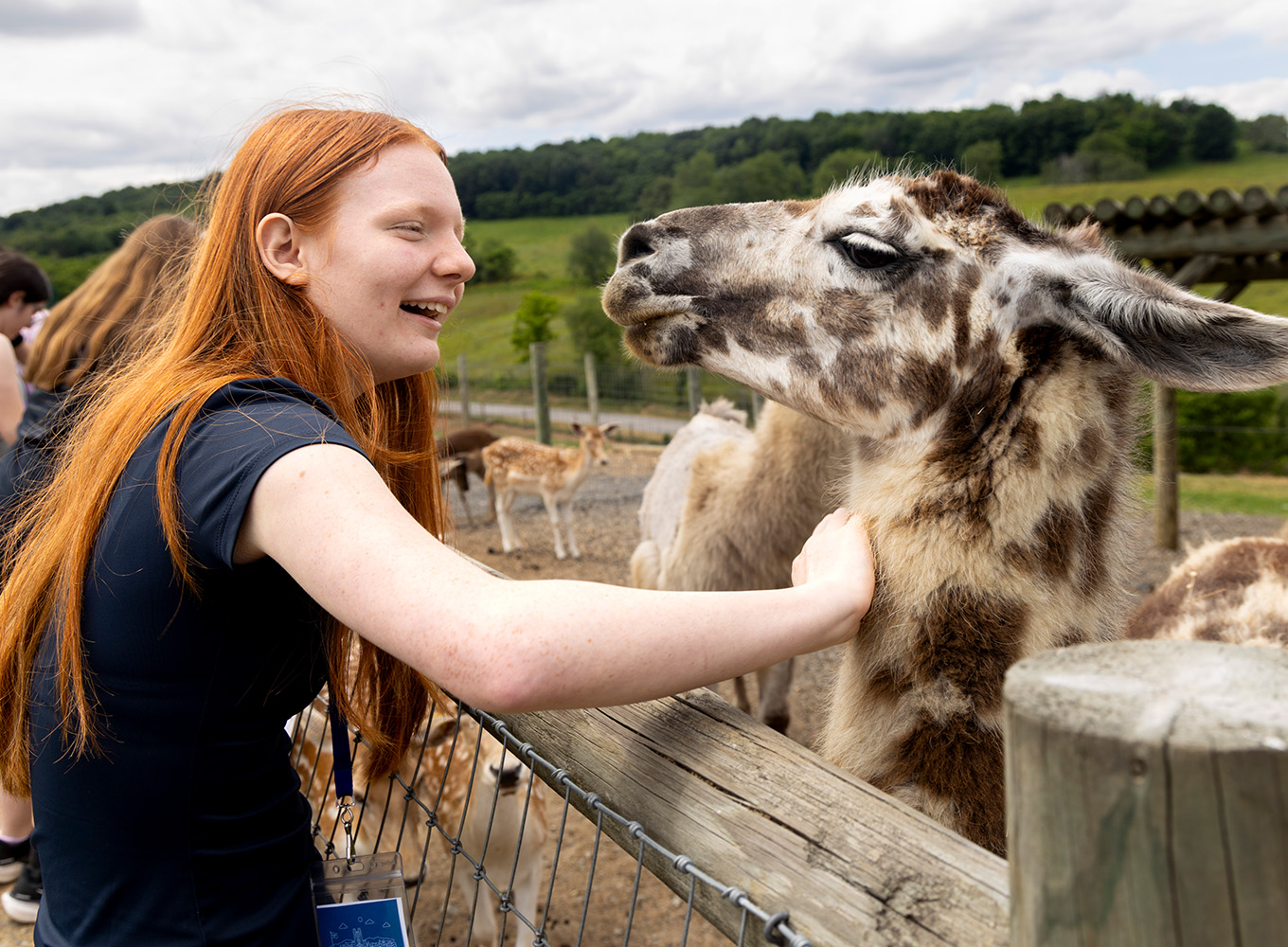
Fort Chiswell Animal Park
Trips & Tours
Go beyond the classroom.
Gain a new perspective on veterinary medicine through field trips that uncover how the industry works behind the scenes. A mix of educational and sightseeing tours allow you to explore the city surrounding the university.
See Trips by Location
Leadership
is in our name.
Each NSLC program contains a leadership curriculum designed to teach skills that can apply to all areas of life. Workshops on personality styles, communication and listening, resilience, and empathy set the foundation for a successful future, no matter where it may lead.
Watch VideoLife on a College Campus
Dates, Locations, & Tuition
NSLC provides an immersive pre-college experience that prepares students for life beyond high school, allowing them to study in university classrooms, learn to navigate a campus, and experience college life firsthand. When submitting an application, students will select a residential or commuter option: residential students stay on campus in supervised dormitories, while commuter students follow daily arrival and departure times designated by their chosen location.


Virginia Tech
Blacksburg, VA
$4,595 Residential
$4,070 Commuter
Summer 2027
Jun 13 - Jun 21
Jun 25 - Jul 3
Jul 7 - Jul 15
Tuition Resources

Earn College Credit
NSLC has partnered with American University to offer an online college credit opportunity for students across all our programs and locations. AU’s faculty-taught courses are completed at home outside the dates of your program and tailored to complement your area of study.
Learn MoreRelated Programs
Students interested in Veterinary Medicine also expressed interest in these programs.


Veterinary Medicine FAQs
Frequently Asked Questions
Wondering if NSLC’s Veterinary Medicine program is right for you? Explore below, read our general FAQs, or reach out to our team. We’re happy to help!
A veterinarian’s daily responsibilities may include examining animals, diagnosing illnesses, administering vaccinations, prescribing medications, performing procedures, and developing treatment plans. They also interpret diagnostic tests, monitor patients’ recovery, and communicate with animal owners about their pets’ health. The work varies depending on the setting and specialty, but most veterinarians combine medical knowledge, problem-solving, and hands-on care to support animal health.
Veterinarians can specialize in areas such as surgery, emergency and critical care, internal medicine, dermatology, cardiology, and veterinary dentistry. Others focus on particular types of animals, including horses, livestock, exotic pets, or wildlife. Some veterinary professionals work in research, public health, or food safety rather than traditional clinical practice. Learning about these options can help you discover whether you’re most interested in hands-on animal care, scientific investigation, or another aspect of veterinary medicine.
Veterinarians diagnose medical conditions, prescribe treatments, perform surgery, and make decisions about an animal’s medical care. Veterinary technicians support veterinarians by performing clinical tasks such as collecting samples, monitoring anesthesia, assisting with procedures, and providing nursing care within their permitted scope of practice. The educational paths also differ: veterinarians earn a DVM degree, while veterinary technicians typically complete an accredited veterinary technology program and meet credentialing requirements. Both roles are important to animal health care.
Veterinary schools generally don’t require one specific undergraduate major. Many students choose biology, animal science, biochemistry, or another science-related field because these programs may include courses required for veterinary school admission. However, students can pursue other majors as long as they complete the necessary prerequisites. Requirements vary by veterinary school, so researching programs early can help you choose college courses that support your goals.
In the United States, becoming a veterinarian generally involves completing undergraduate coursework required for veterinary school, earning a Doctor of Veterinary Medicine (DVM) degree, and meeting state licensing requirements. Most DVM programs take four years, and students typically complete several years of college beforehand. Veterinary schools also consider factors such as academic preparation and experience working with animals or in veterinary settings. Exploring veterinary medicine during high school can help you understand the profession before committing to that educational path.
Working with animals is central to many veterinary careers, but the profession also involves working closely with people. Veterinarians explain diagnoses, discuss treatment options, manage difficult decisions, and help animal owners understand how to provide ongoing care. They also rely on teamwork, problem-solving, and scientific reasoning, especially when an animal cannot communicate its symptoms directly. At NSLC, you’ll explore the responsibilities of veterinary professionals through hands-on activities that introduce animal health, anatomy, and clinical decision-making.
Your future starts here.
Join our mailing list to get a brochure and stay in touch.