At the NSLC on Forensic Science, you’ll investigate how scientific evidence helps reconstruct events and answer questions in criminal investigations. Through hands-on labs and investigative challenges, explore techniques in fingerprinting, DNA analysis, forensic anthropology, and crime scene documentation. Work with your team to collect and analyze evidence from a simulated crime scene, interpret your findings, and discover how forensic scientists use careful observation and critical thinking to piece together what happened.
High School Summer Forensic CSI Program
Examine a career in forensic science.
Program Highlights
Inside Forensic Science at NSLC
Explore forensic science firsthand this summer. NSLC pre-college programs combine academic learning with real-world opportunities, giving you the experience and perspective to make more confident decisions about college and your future career.

Explore through experiential learning.
Hands-on simulations develop the skills and knowledge you need for a future career in forensic science.
Explore SimulationsLearn from the experts.
Get real-world perspectives and insider knowledge straight from the professionals.
Explore Guest Speakers

Go behind the scenes.
Discover the inner workings of the field through immersive trips and tours.
Explore Trips & ToursThis has been one of the best times of my life. I learned how to be a more effective leader and a lot about forensic science. I met so many amazing people here.
Dominic, Illinois
Hands-on Simulations
Explore forensic science
through lab work and investigative simulations that mirror real forensic techniques. Collect and analyze evidence from a mock crime scene, examine DNA and fingerprint samples, and interpret your results to understand how science brings clarity to complex investigations.

Crime Scene Investigation
Process a simulated crime scene with your team by measuring, photographing, documenting, and collecting evidence.

FSKILLS Workshops
Gain the knowledge essential for a career in forensic science, including blood spatter analysis, fingerprinting, DNA analysis, and forensic anthropology and pathology.

Active Investigations
Analyze and interpret the evidence you've collected, aiming to reconstruct the series of events that led to the crime.

Expert Witness Testimony
Serve as an expert witness, responding to questions and cross-examination from attorneys presenting your crime scene's case.

Autopsy Lab
Dissect a fetal pig and discover the process and procedures medical examiners use when performing a clinical autopsy.
Guest Speakers
Gain expert insights.
Interact with guest speakers from a variety of backgrounds that bring practical knowledge and real-world experiences to the Forensic Science program.
See Past Guest Speakers

Federal Bureau of Investigation

John Jay College of Criminal Justice
Trips & Tours
Go beyond the classroom.
Gain a new perspective on forensic science through field trips that uncover how the industry works behind the scenes. A mix of educational and sightseeing tours allow you to explore the city surrounding the university.
See Trips by Location
Leadership
is in our name.
Each NSLC program contains a leadership curriculum designed to teach skills that can apply to all areas of life. Workshops on personality styles, communication and listening, resilience, and empathy set the foundation for a successful future, no matter where it may lead.
Watch VideoLife on a College Campus
Dates, Locations, & Tuition
NSLC provides an immersive pre-college experience that prepares students for life beyond high school, allowing them to study in university classrooms, learn to navigate a campus, and experience college life firsthand. When submitting an application, students will select a residential or commuter option: residential students stay on campus in supervised dormitories, while commuter students follow daily arrival and departure times designated by their chosen location.

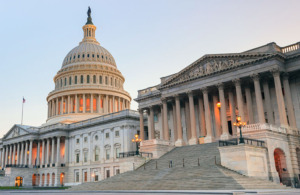
American University
Washington, DC
$4,695 Residential
$3,970 Commuter
Summer 2027
Jul 8 - Jul 16
Jul 20 - Jul 28

Columbia University*
New York, NY
$4,795 Residential
$3,945 Commuter
Summer 2027
Jun 24 - Jul 2
Jul 6 - Jul 14
Jul 18 - Jul 26
* NSLC is not affiliated with, endorsed by, or sponsored by Columbia University.
Tuition Resources

Earn College Credit
NSLC has partnered with American University to offer an online college credit opportunity for students across all our programs and locations. AU’s faculty-taught courses are completed at home outside the dates of your program and tailored to complement your area of study.
Learn MoreRelated Programs
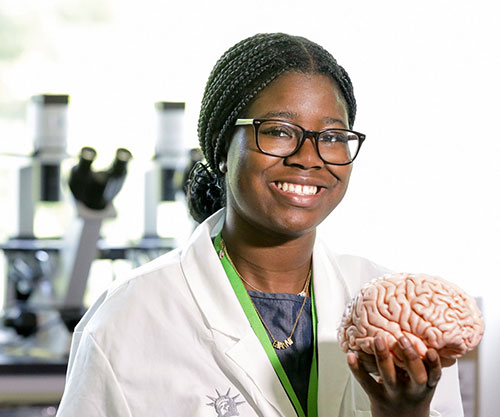
Students interested in Forensic Science also expressed interest in these programs.


Forensic Science FAQs
Frequently Asked Questions
Wondering if NSLC’s Forensic Science program is right for you? Explore below, read our general FAQs, or reach out to our team. We’re happy to help!
You don’t need to be an expert in biology or chemistry to start exploring forensic science. Both subjects play an important role in the field, but curiosity, attention to detail, and a willingness to ask questions matter, too. At NSLC, you’ll apply scientific concepts to a simulated investigation, giving you a chance to see how classroom science connects to real investigative work.
Forensic science uses scientific methods to examine evidence connected to an investigation. Criminology studies crime itself, including why it happens, patterns of criminal behavior, and how society responds to it. Both fields contribute to our understanding of crime, but they approach different questions. NSLC’s Forensic Science program focuses on the scientific investigation of evidence, helping you explore whether that kind of work interests you.
Forensic science includes more careers than crime scene investigator. Forensic biologists examine biological evidence, forensic chemists analyze substances, and forensic anthropologists study human remains. Other professionals specialize in fingerprints, digital evidence, or forensic pathology. At NSLC, you’ll encounter several areas of forensic investigation, helping you discover which specialties you might want to explore further.
Biology and chemistry are especially useful because forensic scientists often work with DNA, bodily fluids, and chemical evidence. Math helps with analyzing results, while writing and communication skills matter when documenting findings or explaining them in court. You don’t need to take every advanced science class to begin exploring the field, but these subjects can give you a helpful foundation.
Crime shows often make forensic investigations look faster and simpler than they really are. In actual cases, collecting evidence, running laboratory tests, and reviewing results can take considerable time, and the answers aren’t always clear-cut. At NSLC, you’ll work through a simulated investigation to explore the careful scientific work behind the dramatic moments you see on screen.
If you enjoy science, solving problems, and figuring out what evidence can tell you, forensic science may be worth exploring. The field involves patience and careful analysis as much as investigation, so it’s helpful to find out whether you enjoy the detailed work behind an answer. At NSLC, you’ll work through a simulated case using forensic techniques, giving you a better sense of what interests you about the field and whether you’d like to study it further.
Your future starts here.
Join our mailing list to get a brochure and stay in touch.