At the NSLC on Marine Biology, you’ll explore the fascinating world of marine ecosystems through hands-on labs, field research, and conservation challenges. Investigate marine biodiversity, examine aquatic animal anatomy, and discover how environmental changes affect ocean habitats. Through collaborative projects and research activities, explore how marine biologists study aquatic life, manage natural resources, and develop strategies to protect the health of our oceans.
High School Summer Marine Biology Program
Dive into a career in marine biology.
Program Highlights
Inside Marine Biology at NSLC
Explore marine biology firsthand this summer. NSLC pre-college programs combine academic learning with real-world opportunities, giving you the experience and perspective to make more confident decisions about college and your future career.

Explore through hands-on learning.
Develop the skills and knowledge you need for a future career in marine biology with experiential simulations.
Explore SimulationsLearn from the experts.
Get real-world perspectives and insider knowledge straight from the professionals.
Explore Guest Speakers

Go behind the scenes.
Discover the inner workings of the field through immersive trips and tours.
Explore Trips & ToursIt was absolutely incredible. I met so many amazing people, learned so many interesting things, and had experiences I will never forget. I loved everything.
Rowan, Colorado
Hands-on Simulations
Discover marine biology
through hands-on workshops that explore marine biodiversity, sustainability, and the balance of aquatic environments. Investigate the impact of climate change, examine species adaptation, and gain insight into how research and innovation drive the future of marine science.

Marine Research at Sea
Step aboard a research vessel and experience how marine biologists investigate the ocean firsthand, from observing marine life to studying the conditions that shape underwater ecosystems.

Marine Anatomy
Examine the internal structures of aquatic animals and how to identify different species through external characteristics.

Fish Identification
Conduct a simulated field survey of area biodiversity, learning about local fish species and how to identify them.

Marine Protected Areas
Manage a marine sanctuary and develop strategies to combat issues facing the area, staying mindful of how local communities utilize their natural resources.

Fisheries Management
Learn the methods used to estimate fish populations and discuss overfishing and the sustainable uses of our ocean's resources.
Guest Speakers
Gain expert insights.
Interact with guest speakers from a variety of backgrounds that bring practical knowledge and real-world experiences to the Marine Biology program.
See Past Guest Speakers

Duke University Marine Lab

Whale Watching Cruise
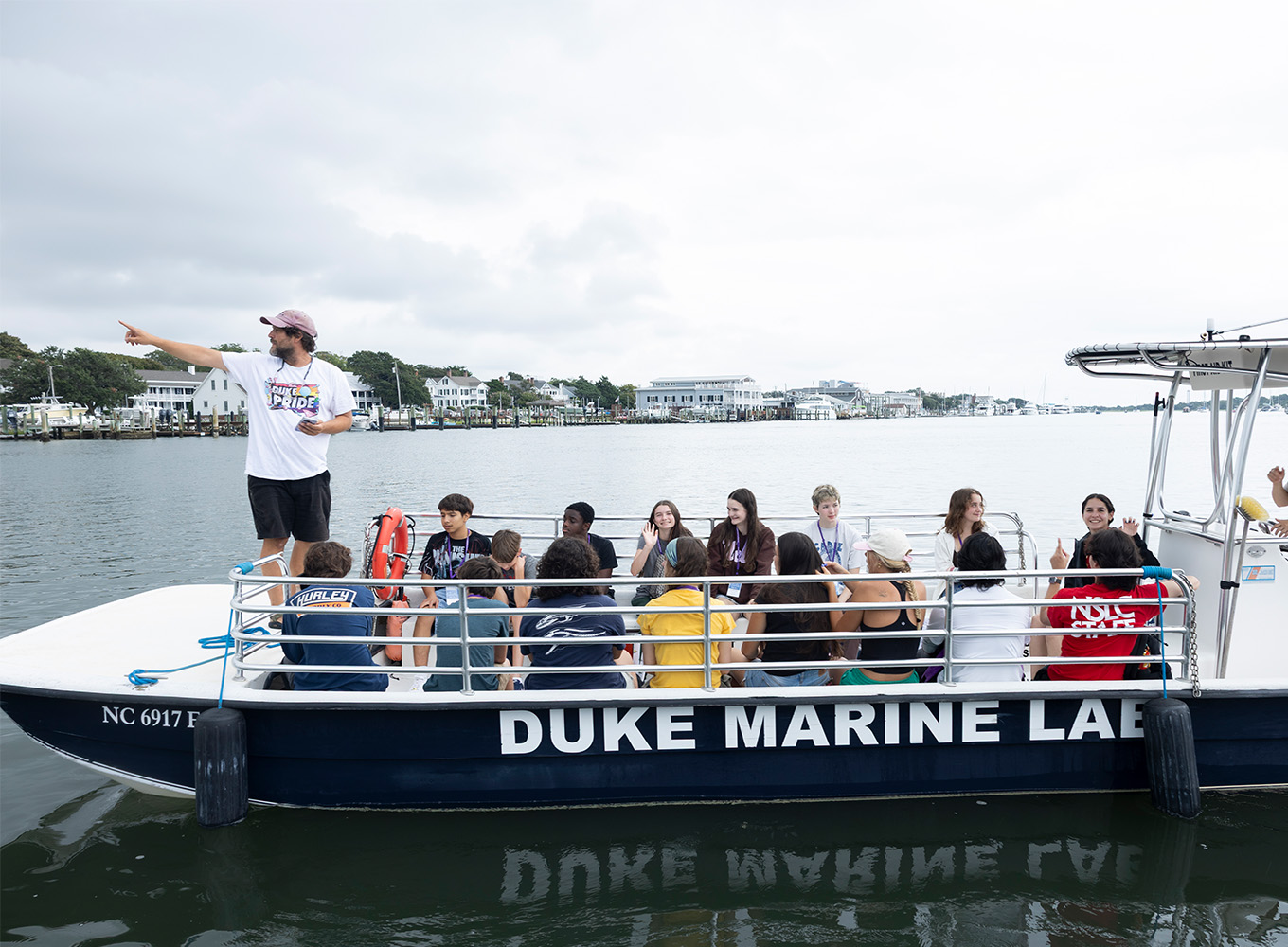
Duke Research Vessel Excursion

UC Davis Bodega Marine Laboratory
Trips & Tours
Go beyond the classroom.
Gain a new perspective on marine biology through field trips that uncover how the industry works behind the scenes. A mix of educational and sightseeing tours allow you to explore the city surrounding the university.
See Trips by Location
Leadership
is in our name.
Each NSLC program contains a leadership curriculum designed to teach skills that can apply to all areas of life. Workshops on personality styles, communication and listening, resilience, and empathy set the foundation for a successful future, no matter where it may lead.
Watch VideoLife on a College Campus
Dates, Locations, & Tuition
NSLC provides an immersive pre-college experience that prepares students for life beyond high school, allowing them to study in university classrooms, learn to navigate a campus, and experience college life firsthand. When submitting an application, students will select a residential or commuter option: residential students stay on campus in supervised dormitories, while commuter students follow daily arrival and departure times designated by their chosen location.

Duke University**
Durham, NC
$4,595 Residential
$4,100 Commuter
Summer 2027
Jul 6 - Jul 14
Jul 18 - Jul 26
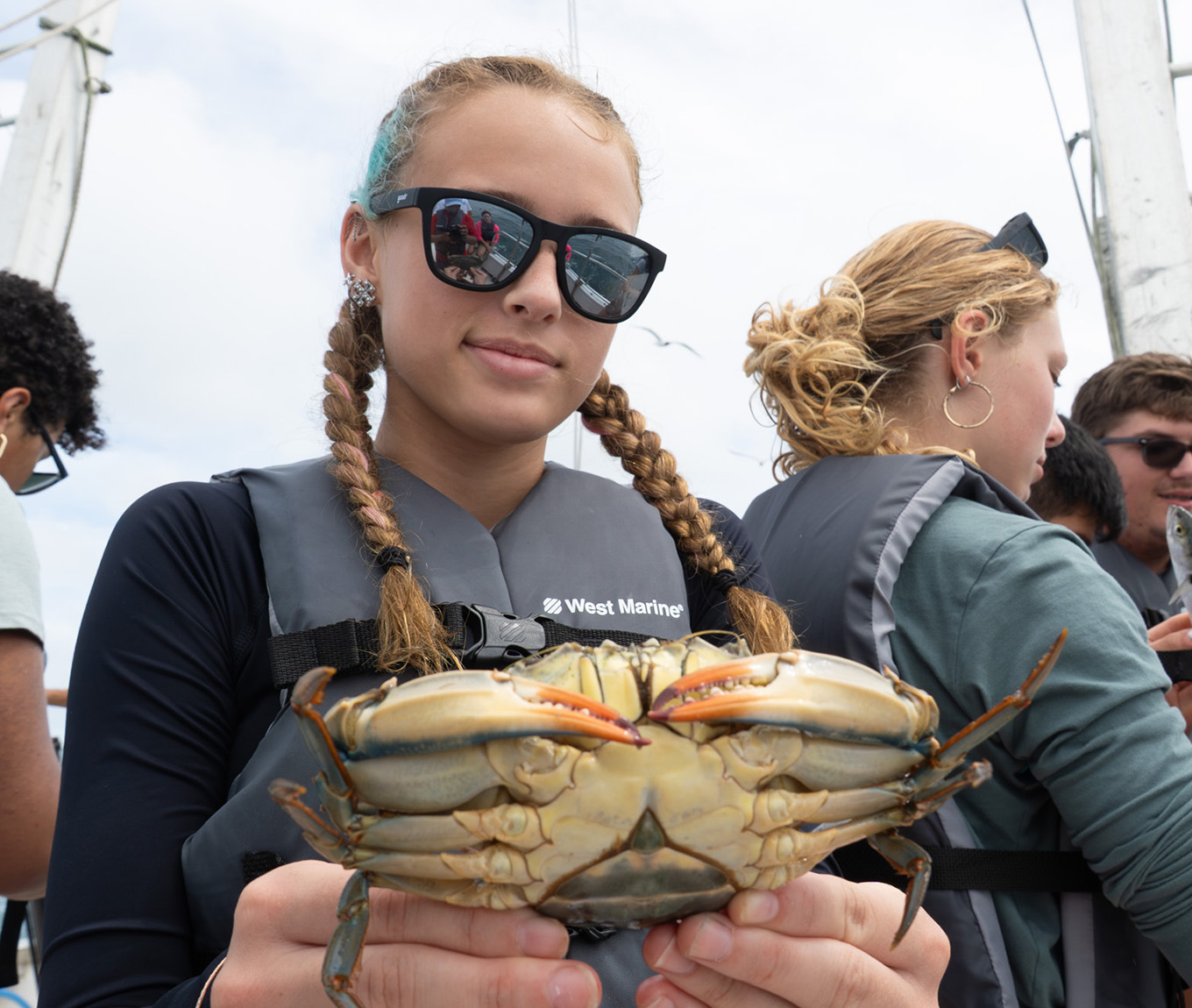
Students will divide their time between Duke University and the North Carolina coast. Learn more.

University of California, Berkeley
San Francisco, CA
$4,695 Residential
$3,945 Commuter
Summer 2027
Jun 13 - Jun 21
Jun 25 - Jul 3
Jul 7 - Jul 15
** The NSLC is not affiliated with Duke University, nor is the NSLC a Duke University program or activity.
Tuition Resources

Earn College Credit
NSLC has partnered with American University to offer an online college credit opportunity for students across all our programs and locations. AU’s faculty-taught courses are completed at home outside the dates of your program and tailored to complement your area of study.
Learn MoreRelated Programs
Students interested in Marine Biology also expressed interest in these programs.


Marine Biology FAQs
Frequently Asked Questions
Wondering if NSLC’s Marine Biology program is right for you? Explore below, read our general FAQs, or reach out to our team. We’re happy to help!
Marine biologists study ocean organisms and the environments they depend on. Their work can involve observing marine animals, collecting water or tissue samples, studying coral reefs, or investigating changes in marine ecosystems. They also analyze data, prepare research findings, and contribute to conservation efforts. The specific work depends on what they’re studying, whether that’s a single species, an entire habitat, or the effects of human activity on marine life.
It depends on their specialty and the research they’re conducting. Some marine biologists spend significant time in coastal environments or aboard research vessels collecting observations and samples. Others work primarily in laboratories, analyzing specimens, or at computers, interpreting data and writing reports. Many combine fieldwork with laboratory and office work, so a career in marine biology can look quite different from one researcher to another.
Marine biology can lead to careers in scientific research, conservation, education, and environmental management. Marine biologists study aquatic organisms and ecosystems, while fisheries scientists investigate fish populations and sustainable resource use. Other professionals work in marine conservation, aquarium science, coastal ecology, or environmental consulting. The field offers opportunities to work in laboratories, outdoors, and in organizations focused on protecting marine environments.
Marine biology focuses on living organisms in marine environments, from microscopic plankton to large ocean mammals, and how they interact with their ecosystems. Oceanography studies the ocean more broadly, including its physical properties, chemistry, geology, and biological processes. The fields overlap, especially when researchers investigate how ocean currents, temperature, or water chemistry affect marine life. If you’re drawn to animals and ecosystems, marine biology may interest you most. If you’re fascinated by how the ocean itself works, oceanography could be worth exploring.
Marine biologists use different research methods depending on the species and environment they’re studying. They might observe animal behavior, conduct population surveys, collect environmental samples, or use cameras and tracking technology to gather information. Researchers then analyze their findings to better understand how animals live, interact, and respond to changes in their habitats. Much of the work involves careful observation and interpreting evidence rather than direct interaction with animals.
If you’re curious about ocean life, enjoy science, and want to understand how living things interact with their environments, marine biology may be worth exploring. It helps to be interested in the research process, too, including collecting observations, interpreting evidence, and asking questions that don’t always have simple answers. At NSLC, you’ll investigate marine ecosystems and conservation challenges, giving you a better sense of which parts of the field you enjoy and whether you’d like to study them further.
Your future starts here.
Join our mailing list to get a brochure and stay in touch.