At the NSLC on Intelligence & National Security, you’ll step into the role of an intelligence analyst as you assess emerging threats, evaluate information, and develop strategies to address national security challenges. Through hands-on simulations, investigate how intelligence agencies gather and interpret information, brief decision-makers, and coordinate responses to complex crises. Explore how critical thinking, communication, and strategic decision-making shape the work of intelligence and national security professionals.
High School Summer Intelligence Programs
Investigate a career in national security.
Program Highlights
Inside Intelligence & National Security at NSLC
Explore national security and intelligence analysis firsthand this summer. NSLC pre-college programs combine academic learning with real-world opportunities, giving you the experience and perspective to make more confident decisions about college and your future career.

Explore through hands-on learning.
Develop the skills and knowledge you need for a future career in intelligence and national security with experiential simulations.
Explore SimulationsLearn from the experts.
Get real-world perspectives and insider knowledge straight from the professionals.
Explore Guest Speakers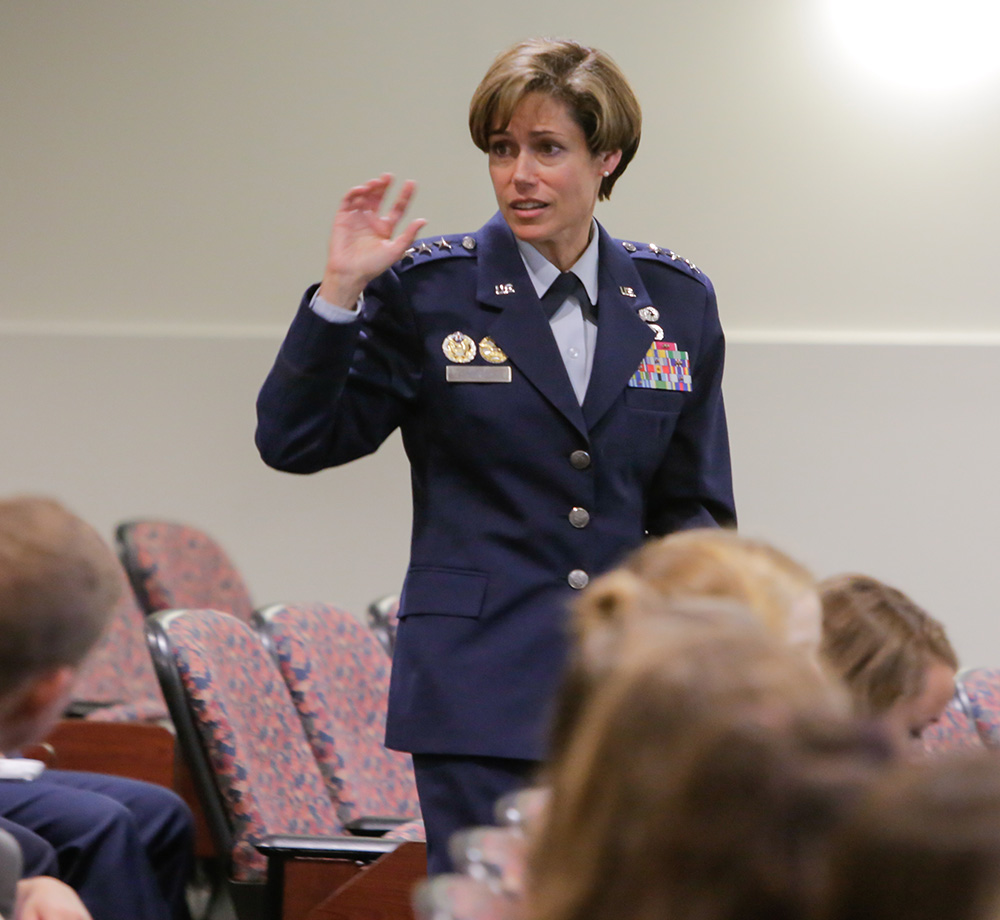

Go behind the scenes.
Discover the inner workings of the field through immersive trips and tours.
Explore Trips & ToursI learned so much about intelligence and national security, but also about leadership and how to communicate with others better. I loved it more than words can describe.
Hailey, Oregon
Hands-on Simulations
Explore national security
through hands-on simulations that reveal how intelligence informs critical government decisions. Assess potential threats, prepare intelligence briefings, and collaborate with your team to respond to an unfolding crisis. Discover how intelligence agencies and national security leaders evaluate competing priorities, coordinate their efforts, and make decisions when the stakes are high.

National Security Council
Act as a member of the National Security Council, aiding and advising the President during a critical crisis throughout a multi-day simulation.

Presidential Daily Briefs
Learn how to select the most critical information to include in a daily meeting with the President, bound by the time constraints posed on these important briefings.

Intelligence Community
Get to know the agencies and organizations that work to gather the information necessary to maintain our nation's safety and peaceful foreign relations.
National Security Departments
Dive into the jurisdictions, missions, and internal hierarchies of the agencies that sit on the National Security Council.

Threat Assessments
Collaborate with other departments to share information and coordinate efforts, deciding the credibility of incoming threats and the actions that should - or shouldn't - be taken.
Guest Speakers
Gain expert insights.
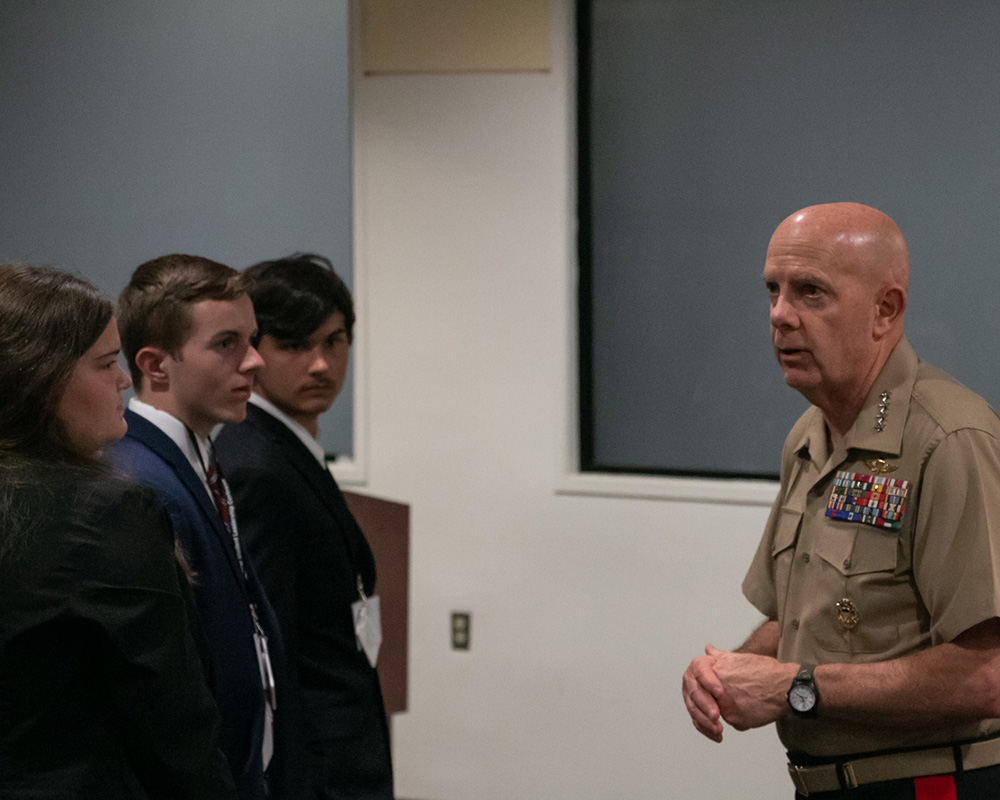
Interact with guest speakers from a variety of backgrounds that bring practical knowledge and real-world experiences to the Intelligence & National Security program.
See Past Guest Speakers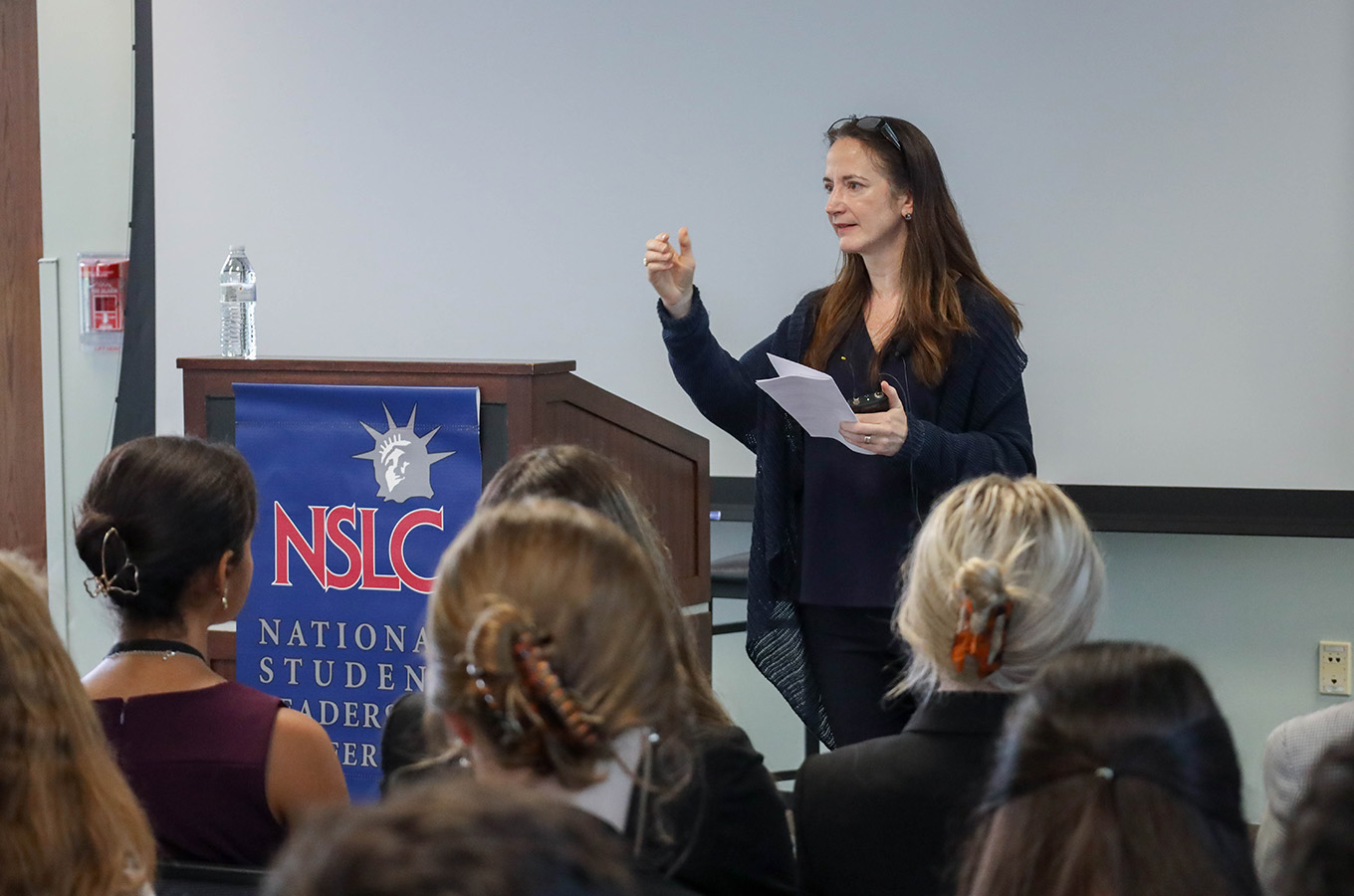

Federal Bureau of Investigation

Arlington National Cemetery
Trips & Tours
Go beyond the classroom.
Gain a new perspective on national security through field trips that uncover how the industry works behind the scenes. A mix of educational and sightseeing tours allow you to explore the city surrounding the university.
See Trips by Location
Leadership
is in our name.
Each NSLC program contains a leadership curriculum designed to teach skills that can apply to all areas of life. Workshops on personality styles, communication and listening, resilience, and empathy set the foundation for a successful future, no matter where it may lead.
Watch VideoLife on a College Campus
Dates, Locations, & Tuition
NSLC provides an immersive pre-college experience that prepares students for life beyond high school, allowing them to study in university classrooms, learn to navigate a campus, and experience college life firsthand. When submitting an application, students will select a residential or commuter option: residential students stay on campus in supervised dormitories, while commuter students follow daily arrival and departure times designated by their chosen location.


Georgetown University
Washington, DC
$4,395 Residential
$3,745 Commuter
Summer 2027
Jun 24 - Jul 2
Jul 6 - Jul 14
Tuition Resources

Earn College Credit
NSLC has partnered with American University to offer an online college credit opportunity for students across all our programs and locations. AU’s faculty-taught courses are completed at home outside the dates of your program and tailored to complement your area of study.
Learn MoreRelated Programs
Students interested in Intelligence & National Security also expressed interest in these programs.



Intelligence FAQs
Frequently Asked Questions
Wondering if NSLC’s Intelligence & National Security program is right for you? Explore below, read our general FAQs, or reach out to our team. We’re happy to help!
Intelligence analysts collect, evaluate, and interpret information to help decision-makers understand potential threats and emerging developments. They examine information from different sources, assess its reliability, identify patterns, and prepare reports or briefings that explain their findings. Their work may involve national security, international affairs, cybersecurity, or criminal investigations. At NSLC, you’ll explore this process by assessing threats and preparing intelligence briefings during a national security crisis exercise.
The Central Intelligence Agency (CIA) focuses primarily on gathering and analyzing foreign intelligence to support national security decisions. The Federal Bureau of Investigation (FBI) is a federal law enforcement and intelligence agency that investigates federal crimes and threats to national security, including terrorism, espionage, and cybercrime. Although their responsibilities sometimes overlap, the CIA primarily operates in foreign intelligence, while the FBI has significant domestic investigative responsibilities. Both contribute information that helps national security officials understand and respond to threats.
Careers in intelligence and national security include intelligence analysis, cybersecurity, counterintelligence, foreign affairs, emergency management, and national security policy. Professionals work in federal agencies, the military, research organizations, and private companies that support security operations. Some investigate threats or analyze information, while others develop policies, protect digital systems, or coordinate responses to emergencies. The field brings together people with backgrounds in technology, international relations, political science, languages, and other disciplines.
There isn’t one required college major for every intelligence or national security career. International relations, political science, cybersecurity, computer science, economics, and foreign languages can all provide relevant foundations, depending on the work you want to pursue. Some universities also offer intelligence studies or national security programs. An interest in analyzing information, understanding global events, or solving complex problems can help you identify which academic direction might be the best fit.
Intelligence professionals evaluate potential threats by comparing information from multiple sources, assessing their reliability, and looking for evidence that supports or contradicts a claim. They also consider what remains unknown and how confident they can be in their conclusions. At NSLC, you’ll put these skills into practice by analyzing intelligence, preparing a Presidential Daily Brief, and making decisions during a National Security Council crisis exercise. You’ll experience how difficult it can be to recommend a course of action when the information available is incomplete.
Intelligence involves gathering and analyzing information to help decision-makers understand situations, risks, and potential threats. National security is the broader effort to protect a country’s people, institutions, interests, and critical infrastructure. Intelligence supports national security, but national security also involves diplomacy, defense, cybersecurity, law enforcement, and public policy. Exploring both fields can help you understand how information becomes part of larger decisions about protecting a nation.
Your future starts here.
Join our mailing list to get a brochure and stay in touch.