
At the NSLC on Biomedical Engineering, you’ll explore how engineering and medical science come together to improve human health. Through hands-on labs and collaborative design challenges, you’ll investigate biomechanics, biomaterials, medical devices, and diagnostic technologies while developing practical skills in engineering design and prototyping. Working with your team, you’ll design and build a functional prosthetic device, gaining firsthand experience with how biomedical engineers develop solutions to real clinical challenges.
High School Summer Biomedical Engineering Programs
Cultivate a career in biomedical engineering.

Official Program Partner
IEEE
The NSLC is proud to partner with IEEE and the IEEE TryEngineering Summer Institute to foster the next generation of technology innovators through hands-on, interdisciplinary engineering education that empowers students to solve real-world challenges.
Program Highlights
Inside Biomedical Engineering at NSLC
Explore biomedical engineering firsthand this summer. NSLC pre-college programs combine academic learning with real-world opportunities, giving you the experience and perspective to make more confident decisions about college and your future career.

Explore through hands-on learning.
Develop the skills and knowledge you need for a future career in biomedical engineering with experiential simulations.
Explore SimulationsLearn from industry leaders.
Get real-world perspectives and insider knowledge straight from the experts.
Explore Guest Speakers

Go behind the scenes.
Discover the inner workings of the field through immersive trips and tours.
Explore Trips & ToursI left with so much more than I thought I would. It was so interesting to learn all about biotech and make so many new, amazing friends.
Peyton, Illinois
Hands-on Simulations
Experience biomedical engineering
through hands-on labs and design challenges that bring together the worlds of medicine and engineering. Explore the science behind prosthetics and other medical technologies as you investigate how the human body works and how engineers develop devices to support it. From experimenting with biomaterials to designing and testing prototypes, discover what it takes to turn a medical challenge into a working solution.

Myoelectric Arm
Investigate how electrical signals from muscles can be used to control prosthetic devices. Experiment with biosignal sensing and discover how biomedical engineers apply this technology to develop assistive devices that respond to human movement.

Skills Workshops
Build your technical skills through hands-on workshops in computer-aided design, Arduino programming, soldering, and circuit construction. Explore how biomedical engineers use these tools to transform ideas into working prototypes.

Biomaterials & Tissue Engineering
Explore how biomedical engineers create materials designed to interact with the human body. Synthesize hydrogels, investigate wound-care technology, and discover how tissue scaffolds can support the development of new biological structures.

Medical Imaging & Diagnostics
Discover how biomedical engineers use imaging technology to see inside the human body and help identify medical conditions. Explore the scientific principles behind medical imaging and how these technologies support diagnosis and treatment.
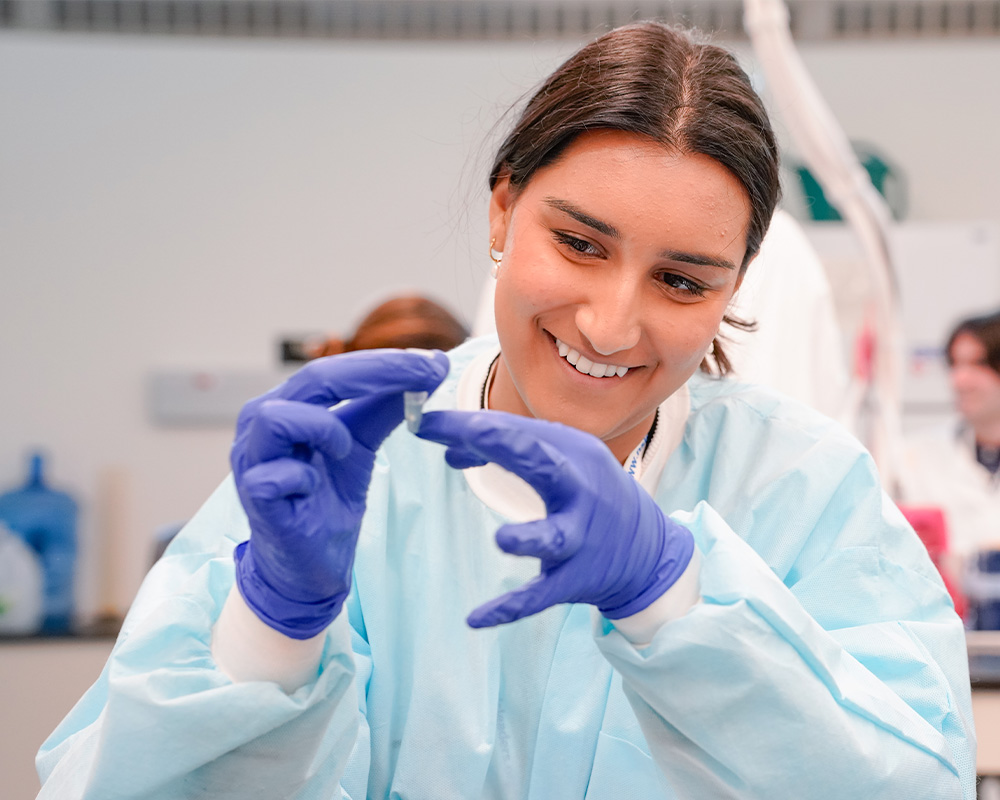
Genetics & Bioethics
Investigate how advances in genetics are changing our understanding of human health. Explore the scientific and ethical questions surrounding emerging biomedical technologies, including how engineers balance innovation with patient safety.

Prosthetic Design Challenge
Take on a real-world clinical design challenge as you work with your team to develop a functional prosthetic prototype. Consider your patient's needs, build and test your device, and present your final design to a panel of judges.
Guest Speakers
Gain industry insights.
Interact with guest speakers from a variety of backgrounds that bring practical knowledge and real-world experiences to the Biomedical Engineering program.
See Past Guest Speakers
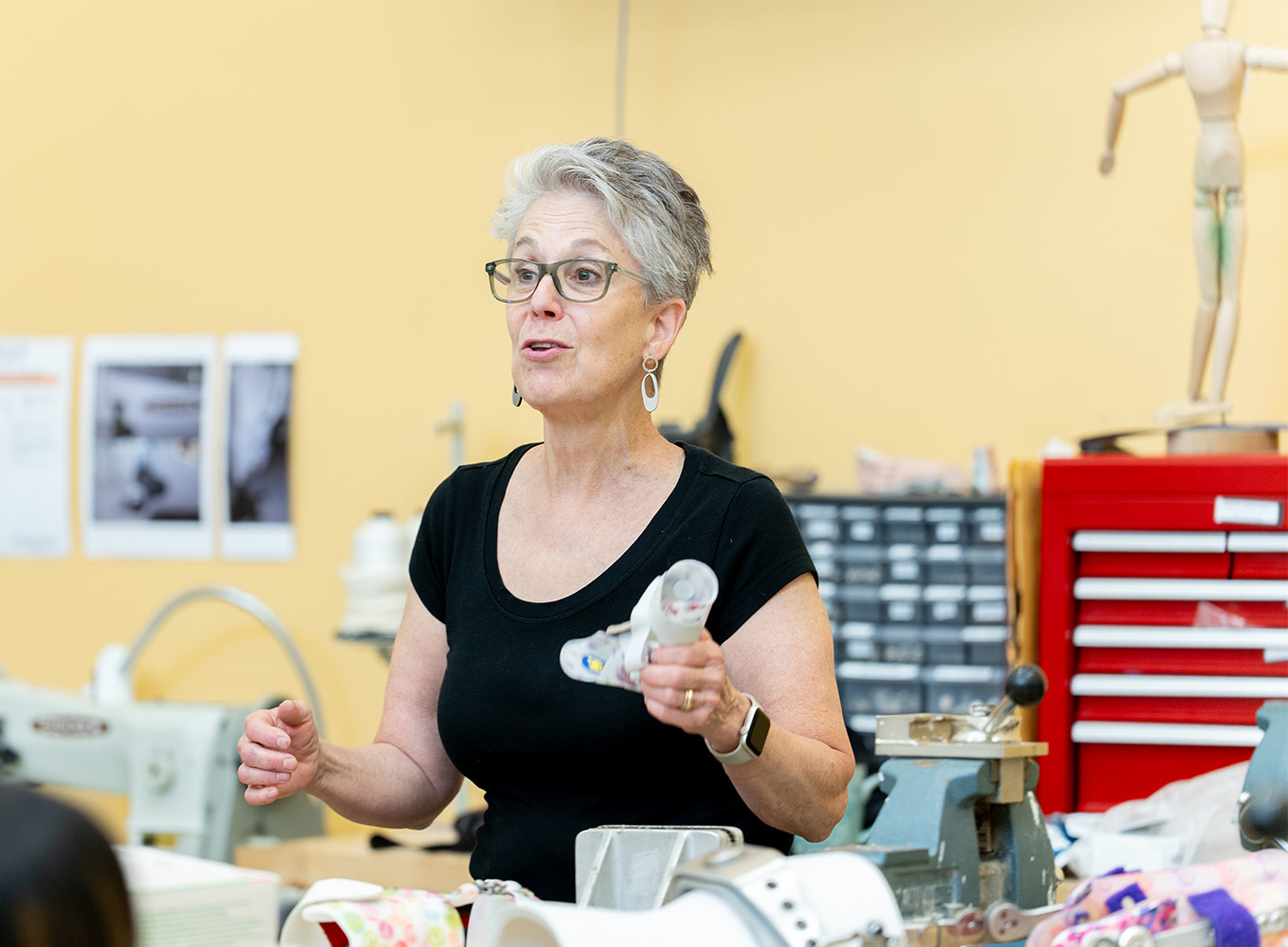
UCSF Orthotics & Prosthetics Clinic
Trips & Tours
Go beyond the classroom.
Gain a new perspective on biomedical engineering through field trips that uncover how the industry works behind the scenes. A mix of educational and sightseeing tours allow you to explore the city surrounding the university.
See Trips by Location
Leadership
is in our name.
Each NSLC program contains a leadership curriculum designed to teach skills that can apply to all areas of life. Workshops on personality styles, communication and listening, resilience, and empathy set the foundation for a successful future, no matter where it may lead.
Watch VideoLife on a College Campus
Dates, Locations, & Tuition
NSLC provides an immersive pre-college experience that prepares students for life beyond high school, allowing them to study in university classrooms, learn to navigate a campus, and experience college life firsthand. When submitting an application, students will select a residential or commuter option: residential students stay on campus in supervised dormitories, while commuter students follow daily arrival and departure times designated by their chosen location.


University of California, Berkeley
San Francisco, CA
$4,595 Residential
$3,845 Commuter
Summer 2027
Jun 13 - Jun 21
Jun 25 - Jul 3
** The NSLC is not affiliated with Duke University, nor is the NSLC a Duke University program or activity.
Tuition Resources

Earn College Credit
NSLC has partnered with American University to offer an online college credit opportunity for students across all our programs and locations. AU’s faculty-taught courses are completed at home outside the dates of your program and tailored to complement your area of study.
Learn MoreRelated Programs
Students interested in Biomedical Engineering also expressed interest in these programs.


Biomedical Engineering FAQs
Frequently Asked Questions
Wondering if NSLC’s Biomedical Engineering program is right for you? Explore below, read our general FAQs, or reach out to our team. We’re happy to help!
Both fields use science and technology to improve human health, but they approach problems differently. Biotechnology often focuses on biological processes, such as using cells or microorganisms to develop medicines and other products. Biomedical engineering combines engineering principles with biology and medicine to design technologies that address health care challenges. At NSLC, you’ll explore this engineering approach through activities involving medical devices, biomaterials, and prosthetic design.
Not at all! NSLC’s Biomedical Engineering program is designed to introduce high school students to the field, so you don’t need previous engineering or biology experience. You’ll build foundational skills in areas such as coding, computer-aided design (CAD), and prototyping before applying them to more complex challenges. Curiosity, a willingness to experiment, and an interest in solving problems are great places to start.
Biomedical engineers have to consider more than whether a device works. They also need to understand the person who will use it. In NSLC’s Biomedical Engineering program, you’ll work with a team on a patient-centered prosthetic design challenge. You’ll consider the patient’s needs, develop and test a prototype, and explain the decisions behind your design. It’s an introduction to how engineering choices can affect someone’s everyday life.
Medicine focuses primarily on diagnosing, treating, and caring for patients. Biomedical engineering focuses on developing the technologies and systems that support health care, from prosthetic devices to diagnostic equipment. Both fields contribute to improving patient outcomes, but they involve different kinds of work. If you’re interested in health care and also enjoy designing, building, or figuring out how things work, biomedical engineering could be worth exploring.
Biomedical engineering connects engineering and health care, creating career opportunities in medical technology, research, and product development. Biomedical engineers design and improve medical devices, rehabilitation engineers develop technologies that support people with disabilities, and biomaterials engineers study materials used in medical applications. Other paths include biomechanics engineer, medical imaging engineer, and tissue engineering researcher. NSLC’s Biomedical Engineering program introduces you to several of these specialties, helping you explore how engineering can address real health care challenges.
Yes! Biomedical engineering brings together several interests, including biology, engineering, technology, and health care. By exploring different areas of the field and working through a team design challenge, you’ll get a better sense of which parts appeal to you. You might discover a passion for medical devices or biomechanics, or realize you’d rather work directly with patients. Either discovery can help you make a more informed decision about what to study in college.
Your future starts here.
Join our mailing list to get a brochure and stay in touch.