At the NSLC on Political Science, you’ll step into the role of a U.S. Senator as you draft legislation, negotiate in committees, and debate the issues shaping public policy. Through hands-on simulations and collaborative discussions, explore how government institutions operate, how political ideas influence policy, and how campaigns and public opinion affect elections. Examine the theories, systems, and competing interests behind political power as you discover the different ways political scientists study government and society.
High School Summer Politics Program
Discover a career in political science.
Program Highlights
Inside Political Science at NSLC
Explore political science and government firsthand this summer. NSLC pre-college programs combine academic learning with real-world opportunities, giving you the experience and perspective to make more confident decisions about college and your future career.

Explore through hands-on learning.
Develop the skills and knowledge you need for a future career in politics with experiential simulations.
Explore SimulationsLearn from the experts.
Get real-world perspectives and insider knowledge straight from the professionals.
Explore Guest Speakers

Go behind the scenes.
Discover the inner workings of the field through immersive trips and tours.
Explore Trips & ToursThis has been one of the most formative experiences in my life. Connecting with academics and leaders in politics, as well as meeting the next generation of leaders was inspiring.
Diego, California
Hands-on Simulations
Explore political science
through interactive challenges that reveal how political institutions, ideas, and competing interests shape public policy. Take on the roles of lawmakers, campaign strategists, and advocates as you debate legislation, develop campaign strategies, and examine how political decisions are made. Discover how political theory and real-world political behavior intersect as you navigate the challenges of governing and influencing public opinion.

U.S. Senate & Legislative Process
Take your seat as a U.S. Senator as you draft legislation, negotiate in committees, and debate bills on the Senate floor before casting your vote on policies that could shape the nation.

Campaign Management
Build and manage a political campaign as you develop your candidate's platform, study voter behavior, and create a strategy to compete for your party's nomination.

Lobby Day Simulation
Step into the role of an interest group representative as you meet with lawmakers, advocate for your priorities, and work to influence legislation through the political process.

Campaign Finance
Explore how political campaigns raise and spend money as you examine fundraising strategies, campaign finance regulations, and the influence of financial contributions on elections.

Social Media & Campaign Marketing
Develop a campaign's digital strategy as you create political messaging, engage potential voters, and explore how social media shapes public opinion and election campaigns.
Guest Speakers
Gain expert insights.
Interact with guest speakers from a variety of backgrounds that bring practical knowledge and real-world experiences to the Political Science program.
See Past Guest Speakers
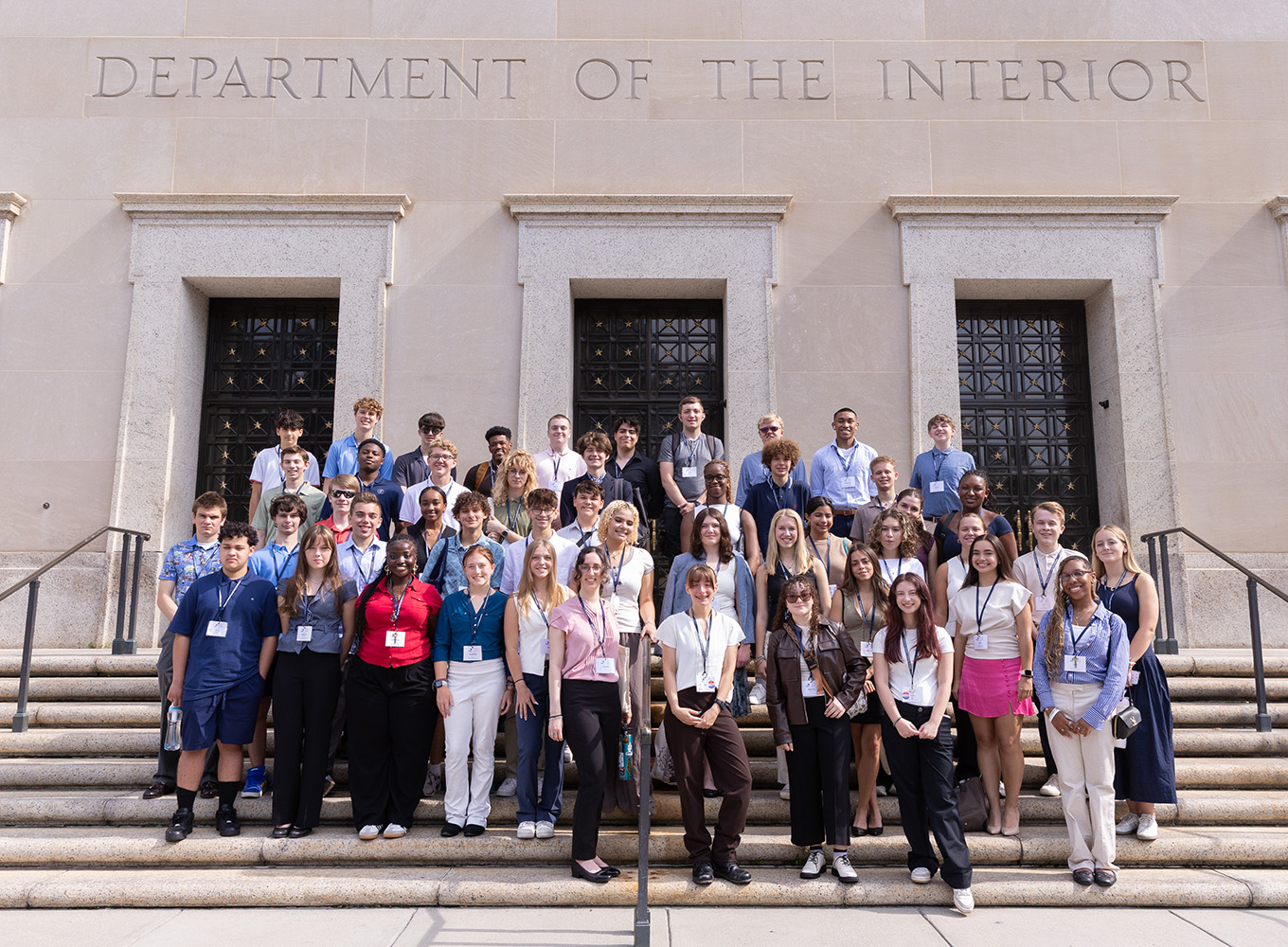
Department of the Interior

Capitol Hill

Smithsonian Museums

Historic D.C. Monuments at Night
Trips & Tours
Go beyond the classroom.
Gain a new perspective on politics through field trips that uncover how the industry works behind the scenes. A mix of educational and sightseeing tours allow you to explore the city surrounding the university.
See Trips by Location
Leadership
is in our name.
Each NSLC program contains a leadership curriculum designed to teach skills that can apply to all areas of life. Workshops on personality styles, communication and listening, resilience, and empathy set the foundation for a successful future, no matter where it may lead.
Watch VideoLife on a College Campus
Dates, Locations, & Tuition
NSLC provides an immersive pre-college experience that prepares students for life beyond high school, allowing them to study in university classrooms, learn to navigate a campus, and experience college life firsthand. When submitting an application, students will select a residential or commuter option: residential students stay on campus in supervised dormitories, while commuter students follow daily arrival and departure times designated by their chosen location.


Georgetown University
Washington, DC
$4,395 Residential
$3,745 Commuter
Summer 2027
Jun 24 - Jul 2
Jul 6 - Jul 14
Tuition Resources

Earn College Credit
NSLC has partnered with American University to offer an online college credit opportunity for students across all our programs and locations. AU’s faculty-taught courses are completed at home outside the dates of your program and tailored to complement your area of study.
Learn MoreRelated Programs
Students interested in Political Science also expressed interest in these programs.


Political Science FAQs
Frequently Asked Questions
Wondering if NSLC’s Political Science program is right for you? Explore below, read our general FAQs, or reach out to our team. We’re happy to help!
Political science majors study how governments operate, how political decisions are made, and how power and public policy shape societies. College courses often cover American government, political theory, comparative politics, international relations, and research methods. Students examine questions about democracy, political behavior, elections, and the relationship between citizens and institutions. At NSLC, you’ll explore several of these areas through legislative activities, political debates, and campaign strategy.
A political science degree can lead to careers in public policy, law, legislative affairs, political consulting, journalism, research, advocacy, and international organizations. Graduates may analyze legislation, help develop public policy, work on campaigns, or communicate about political issues. Some pursue graduate education in law, public administration, or other fields, while others enter the workforce directly. The degree develops research, writing, analytical, and communication skills that can be useful across many professions.
Political science is the broader study of governments, political institutions, power, and political behavior within and across societies. International relations focuses more specifically on how countries and other global actors interact through diplomacy, conflict, trade, and international organizations. The fields overlap, and many political science departments offer international relations as a concentration. If you’re especially interested in global affairs, international relations may appeal to you, while political science offers a wider view of political systems and processes.
Political science examines how governments, political institutions, and societies operate, including how power is exercised and decisions are made. Public policy is an important part of that study, focusing on how governments identify problems, develop solutions, and evaluate their results. In college, you might explore public policy through political science courses or pursue it as a separate major. Understanding that connection can help you discover whether you’re more interested in studying political systems or working on the policies that shape people’s lives.
Political theory examines fundamental questions about government, power, justice, freedom, rights, and the responsibilities of citizens. Political scientists study ideas developed by philosophers and political thinkers to understand how different societies define legitimate authority and organize public life. These ideas continue to influence debates about laws, institutions, and individual rights. At NSLC, you’ll explore political theory and discuss how competing ideas shape contemporary political questions.
Political science is a common undergraduate choice for students interested in law, but law schools generally don’t require a particular major. Political science coursework can help you develop skills in reading complex material, evaluating arguments, conducting research, and writing persuasively. Other majors can provide valuable preparation as well, so your choice should reflect your academic interests and strengths. If you’re considering law school, political science can be a useful way to explore the relationship between legal systems, government, and public policy.
Your future starts here.
Join our mailing list to get a brochure and stay in touch.